Hot Texas summers expose weak windows quickly, especially on west-facing walls. Window energy ratings give you a practical way to compare how a complete window manages heat, sunlight, airflow, and daylight before you commit.
The direct answer is simple: favor a low U-factor for insulation, then choose a solar heat gain coefficient that suits your home’s exposure. For replacement windows in North Texas, the label matters most when it matches the room, frame, glass package, and installation.

How to Read Window Energy Ratings on a Product Label
Most homeowners see a sticker full of numbers and focus on the lowest price. A better approach is to compare the complete tested window, then match its ratings to your home’s sun exposure and comfort problems.
Start with the NFRC label
Look for an NFRC label when comparing energy efficient windows. The NFRC consumer guide to window ratings explains the measurements used to compare complete products, including glass, frame, spacers, and operating parts.
That distinction matters. Center-of-glass performance can sound impressive, yet the installed unit also includes the frame and edge of the glass. Ask to see the label for the exact product and configuration you are considering.
Compare the whole window, not one number
A low U-factor is useful, but it doesn’t tell you how much summer sun enters the room. Likewise, a low solar heat gain coefficient cannot fix a poorly sealed opening.
ENERGY STAR certification is a helpful screen, although it doesn’t replace a room-by-room conversation. Before choosing replacement windows, note which rooms feel hot, drafty, dim, or difficult to cool. You can also review energy-efficient windows for Denton homes when comparing glass and frame options.
The Rating Numbers That Matter in Texas
Window energy ratings describe different parts of comfort. No single rating wins every comparison, because a shaded bedroom and a west-facing living room have different needs.
U-factor and SHGC control heat movement
U-factor measures how readily heat moves through a window. Lower is better, because it indicates stronger insulation in both hot and cool weather.
Solar Heat Gain Coefficient, or SHGC, measures how much solar heat passes through the window. Lower SHGC values can be especially helpful on unshaded south- and west-facing glass during North Texas summers.
Use these ratings as a pair:
| Rating | What it measures | General direction |
|---|---|---|
| U-factor | Heat transfer through the complete window | Lower is better |
| SHGC | Solar heat admitted through the window | Lower blocks more solar heat |
| Visible Transmittance | Daylight admitted through the glass | Higher brings in more light |
| Air Leakage | Air passing through window joints | Lower is better |
| Condensation Resistance | Resistance to interior condensation | Higher is better |
Daylight and draft control still matter
Visible Transmittance, or VT, helps you compare daylight. A higher number can brighten a room, but more light is not always better if glare or heat is already a problem.
Air leakage ratings measure drafts through joints and operable sections. Lower values are better, and the U.S. Department of Energy’s guidance on window air leakage notes that leakage can be a significant source of heat gain or loss. Condensation resistance, when shown, uses a higher-is-better scale.
A window with low solar heat gain can reduce afternoon heat, but a loose installation can still leave a room drafty.
Match Ratings to North Texas Sun Exposure
Texas spans more than one ENERGY STAR climate zone, so use the county-based climate-zone finder before treating a statewide recommendation as a final answer. Your home’s orientation, roof overhangs, trees, and exterior shade also affect the right choice.
Let each room guide the glass package
For North Texas windows, low SHGC often deserves close attention on large west-facing openings. A shaded north-facing bedroom may allow you to prioritize daylight differently. Meanwhile, a room with persistent drafts may need frame and installation work as much as upgraded glass.
The same process works across Denton, TX, Argyle, TX, Corinth, TX, Flower Mound, TX, Highland Village, TX, and Lewisville, TX. A city line doesn’t change the afternoon sun hitting your wall.
Window style affects the final performance
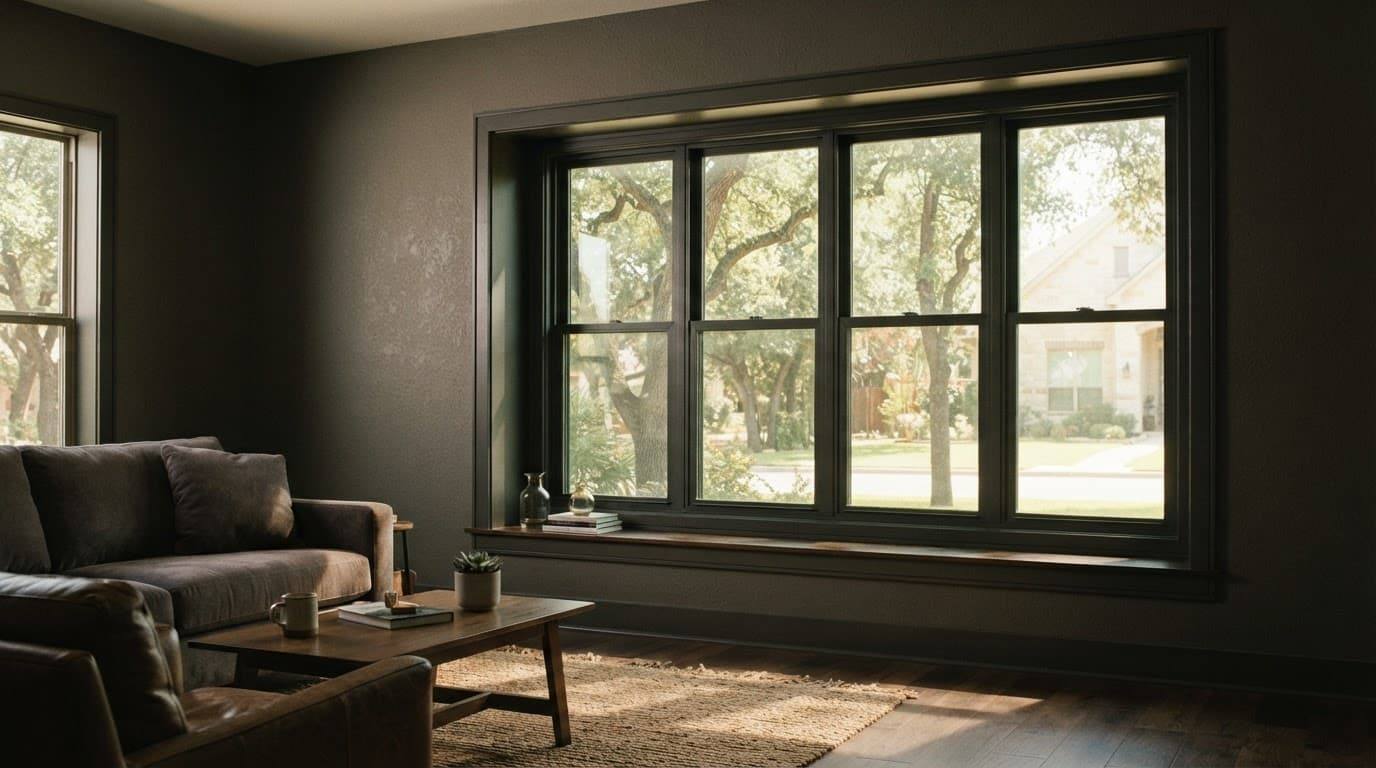
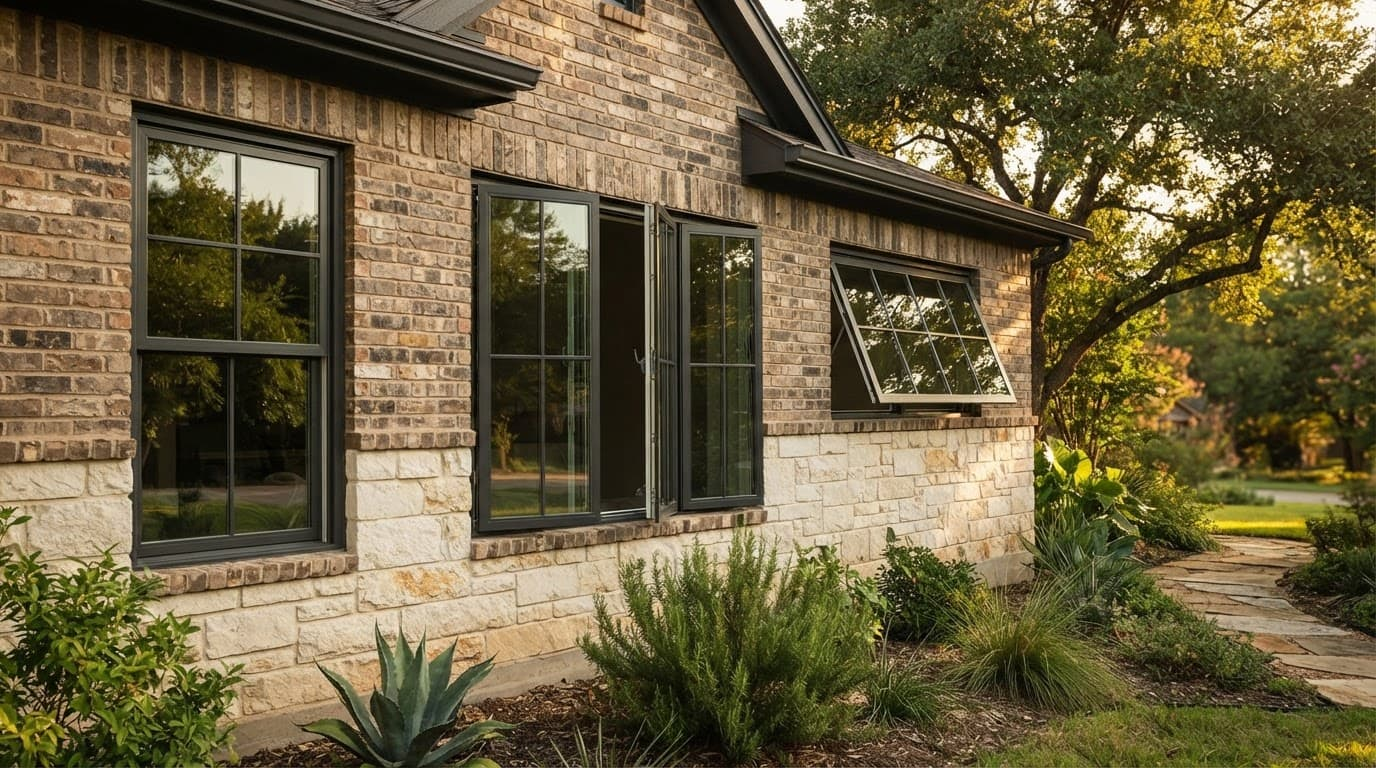
Window style changes ventilation, cleaning, sightlines, and sealing points. Double hung windows offer familiar operation and tilt-in cleaning. Casement windows close against compression seals, which can make them a strong fit where you want ventilation and a tight closure.
Sliding windows suit wide openings, while awning windows can bring airflow into bathrooms or kitchens. Picture windows don’t open, so they work well where a view and daylight matter more than ventilation. Custom windows need the same label review as standard sizes, since a shape or larger glass area can change performance.
For familiar vertical operation, compare double hung windows in Denton with the ratings and glass choices available for your home.
Glass and Frame Choices Behind the Label
The rating label tells you the outcome. The glass, spacer system, insulating gas, and frame design are the parts that produce it.
Low-E glass helps manage summer heat
Low-E glass has a microscopic coating that helps control radiant heat transfer. It can reduce unwanted solar heat and support indoor comfort without turning your home into a dark box.
It also helps limit ultraviolet exposure that can fade flooring, fabrics, and artwork. Still, no glass eliminates fading entirely. Use blinds, shades, or exterior shading where direct sun is strongest.
Choose materials for performance and upkeep
Vinyl replacement windows are popular because they offer insulated frames and low-maintenance surfaces. Fiberglass can offer strong, stable frames, while wood brings a different interior appearance and more upkeep.
The best residential windows fit the opening, architecture, maintenance preference, and budget. New windows with a strong label can support energy savings, curb appeal, and home value, but only when the product suits the house rather than a sales sheet.
The National Fenestration Rating Council provides the certified rating framework that makes those comparisons more reliable across brands and materials.
Professional Installation Protects the Rated Performance
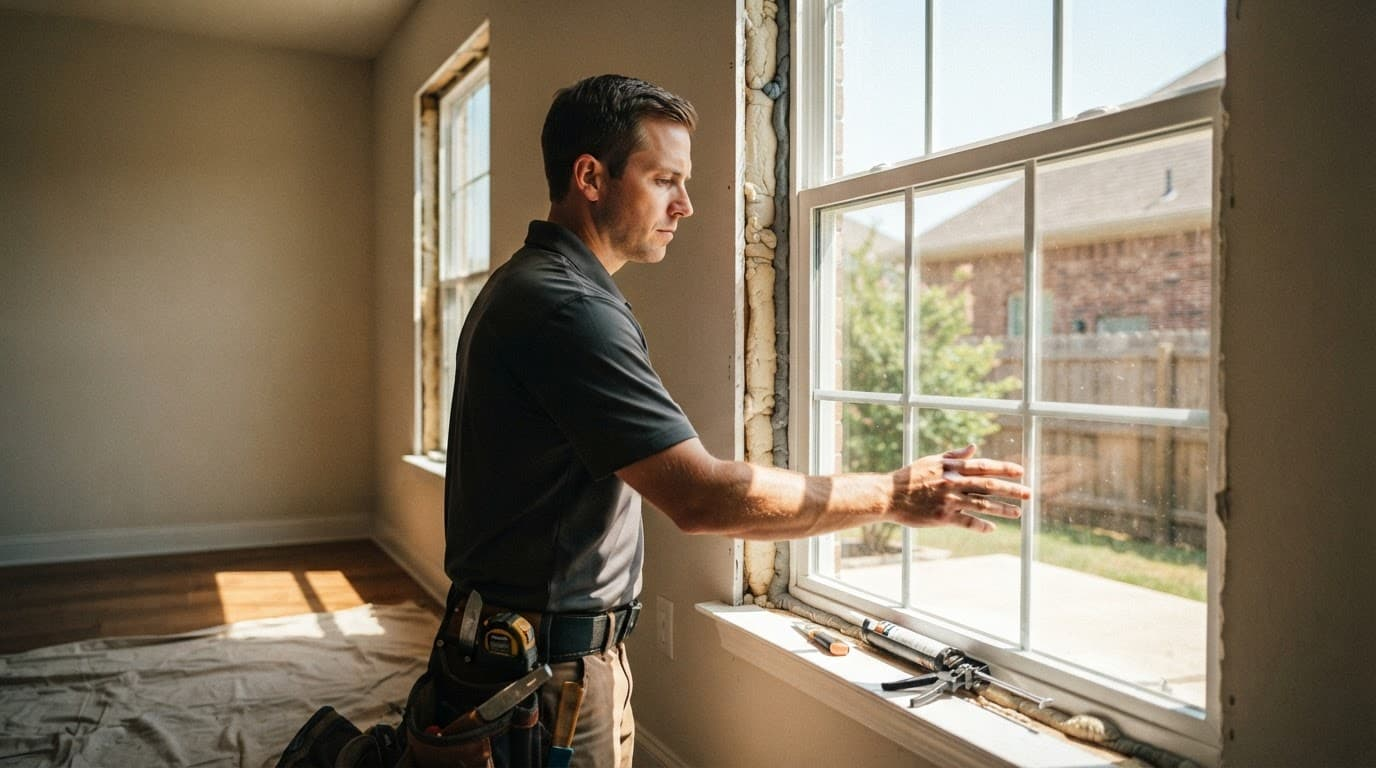
A great label cannot compensate for gaps around the frame, damaged sills, or incorrect flashing. Replacement window installation is as important as the window itself.
The opening needs as much attention as the glass
Professional installation starts with checking the opening for water damage, framing issues, and failed seals. Sometimes an insert replacement fits a sound existing frame. Other homes need a full-frame approach because the weak point sits behind the old window.
A qualified window contractor should explain that distinction before work begins. You can View Our Window Replacement Services to see how the project scope affects the finished result.
Ask clear questions before you sign
A dependable window company should give direct answers about the product, scope, and warranty. Bring these points to your estimate:
- Ask which U-factor and SHGC apply to your exact window size and glass package.
- Confirm how the crew will seal, insulate, and finish the perimeter.
- Find out whether the warranty covers the product, the labor, or both.
- Discuss maintenance needs for hardware, screens, glass, and frame finishes.
Choose Ratings That Solve Your Actual Comfort Problem
The best window energy ratings are the ones that address the rooms you use every day. Low U-factor, climate-appropriate SHGC, useful daylight, and low air leakage work together to make a lasting difference.
Start with the hottest or draftiest room, then compare complete labels and installation details instead of relying on broad claims. For a clear, no-pressure recommendation for your home, Request Your Free Quote or Call Us Today.