
The complete guide, before you hire anyone
Window Installation Denton TX
What proper installation includes, how long it takes, and how to judge it.
Window installation is the part of a window project nobody can return if it goes wrong. This page explains the whole job: how a home is prepared, what happens at the opening, the two installation methods, and the questions that separate a real installer from a crew with a caulk gun. JBN Windows installs across North Texas from its Denton base.

Before the crew arrives
Window Installation North Texas Homeowners Can Prepare For
Good installation starts before a single window comes out, with the room ready and the plan clear.
Homeowners help more than they expect: clear the wall around each window, take down blinds and curtains, move the furniture that hugs the glass, and make a plan for pets. Note any alarm sensors on the old units, because those get handled on purpose, not discovered mid-job.
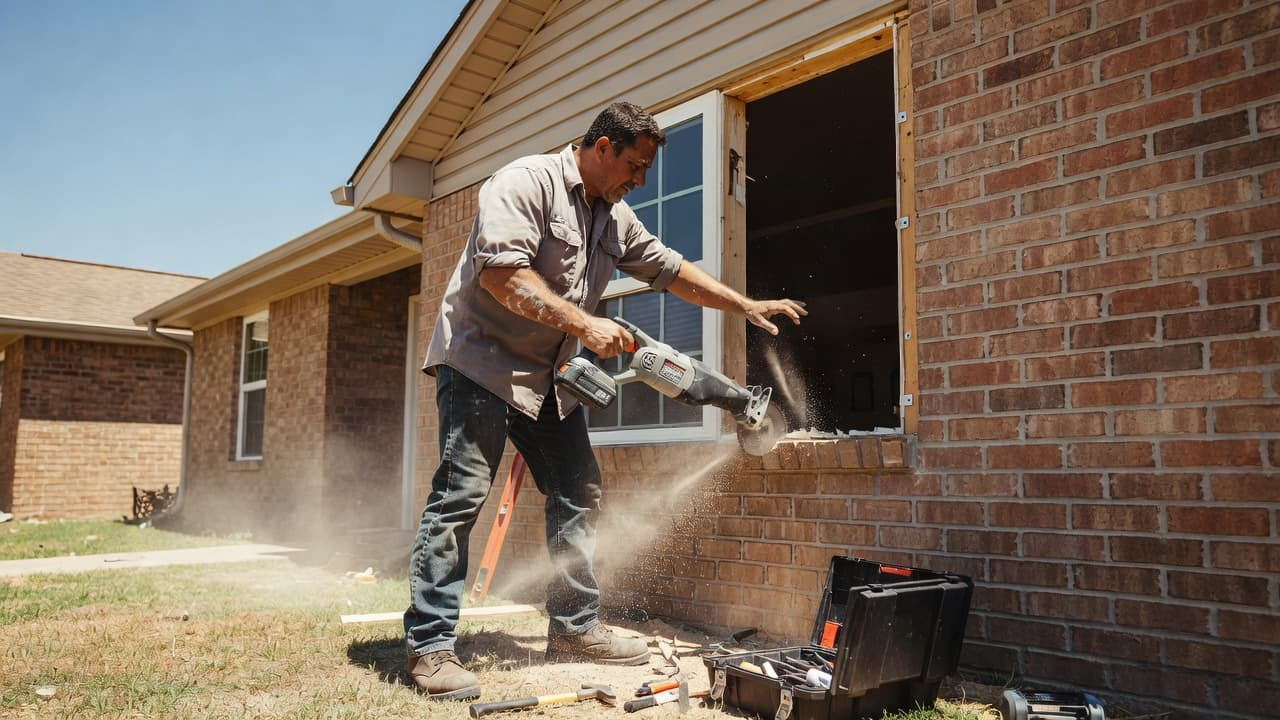
The crew handles its half of preparation too: floors and landscaping protected, tools and units staged where they will not live in your way, and a work order that finishes one window completely before the next one opens. Preparation is invisible in the finished photos. It is visible in everything else.
- Clear two feet around every window.
- Take down blinds and curtains ahead.
- Plan for pets and alarm sensors.
- One window finished at a time, always.
Three things decide how the day feels
Preparation, Pace, and Protection
Homeowners remember installation day for years. These three habits are why ours get remembered well.
Preparation
Rooms protected before removal starts, paths cleared for big glass, and the order of windows agreed before the first one comes out. Surprises shrink when the plan is shared.
Pace
One window finished at a time means the house is never open to the weather and never left unsecured overnight. A typical home runs one to two days, and the count, not the clock, sets the finish.
Protection
Drop cloths inside, care around landscaping outside, and cleanup at the end of every day, not just the last one. The home should look lived in again each evening.
Not sure what your installation day should look like?
Walk a current job plan with us on the visit.
Replacement install is not new-construction install
The Two Jobs Called Window Installation
New-construction installation fastens a finned window into a framed, empty opening before siding and drywall exist. Replacement installation works inside a finished, occupied home, around trim, paint, alarms, and furniture. They share a name and almost nothing else, and a crew good at one is not automatically good at the other.
JBN Windows is a replacement installer. Our methods, protection habits, and scopes are built for homes people live in during the job. Within replacement work, the insert and full-frame methods divide further, and the Denton page shows both in local detail.
See the local standard on our window installation in Denton page. For the full service around the install, read window replacement services, and for what the glass has to do once installed, energy-efficient windows.
Questions that vet any installer
Ask These Before You Sign With Anyone
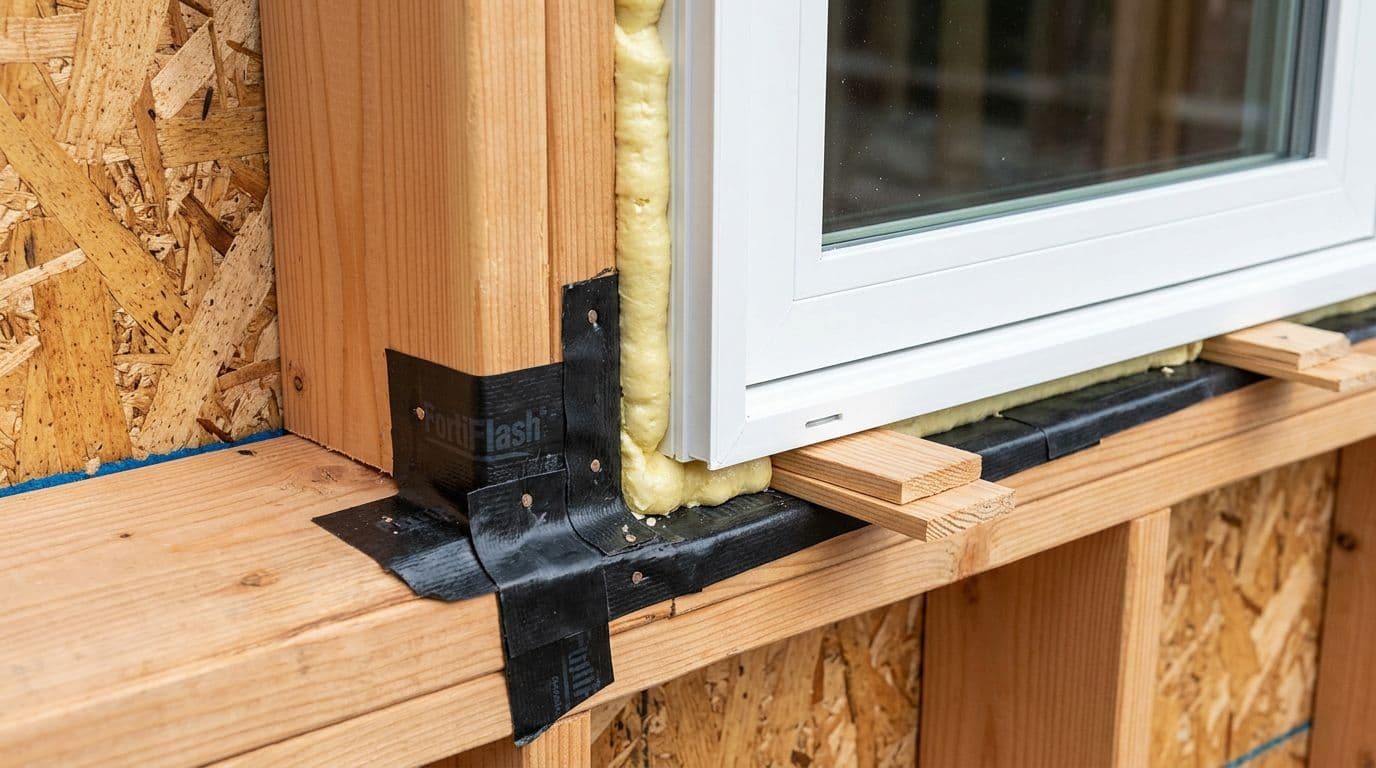
Ask who employs the crew that will be in your house. Ask which method each opening gets and why. Ask how the flashing works, in sentences, and what happens to the price if rot appears when the old window comes out. Ask who walks the finished job with you.
Good installers answer these questions boringly, with specifics and paper. Vague answers are not a personality trait. They are the sound of a method that has not been decided yet, and it will get decided in your wall if you let it.
Size availability varies by manufacturer, product series, frame material, glass, and configuration. JBN Windows works factory direct with Pella, Andersen, and MI Windows. We compare what can actually be made for the opening rather than promising every size in every material.
Installed performance is the real performance
Choose the Glass for the Wall, Not the Brochure
Air leakage is the rating the installer co-authors. The same window can test tight in the lab and whistle in a real house if the perimeter is left uninsulated and the seals are rushed. When you compare quotes, you are comparing installations wearing window costumes.
The NFRC label rates the complete window. U-factor measures heat transfer. Solar Heat Gain Coefficient tells you how much solar heat passes through. Visible Transmittance helps compare daylight. A lower SHGC can help with solar heat, but it can also change the appearance and brightness of the glass.
ENERGY STAR certification is useful, but it does not replace comparing the exact product and wall exposure. We do not promise a fixed utility-bill reduction. Review the official ENERGY STAR explanation of NFRC ratings.
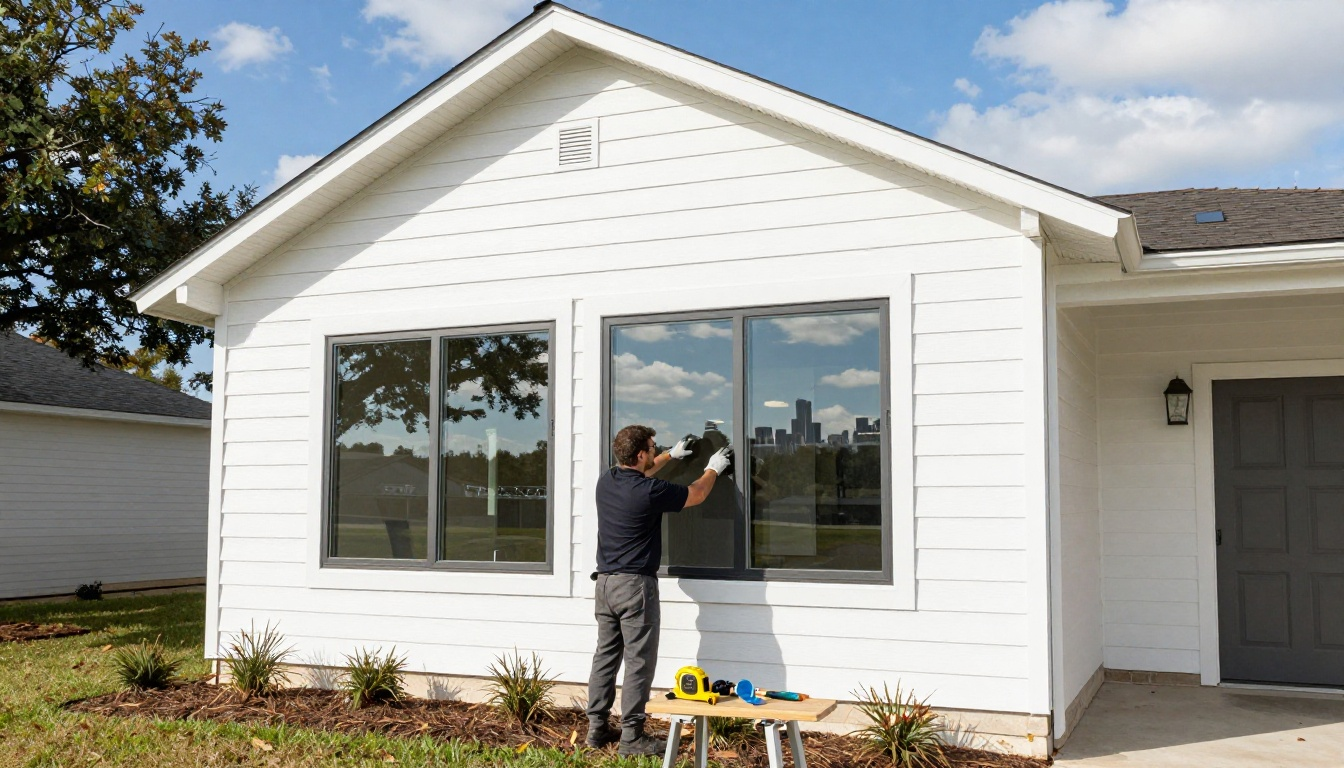
The glass is only as good as the opening around it
Installation Has to End With Proof
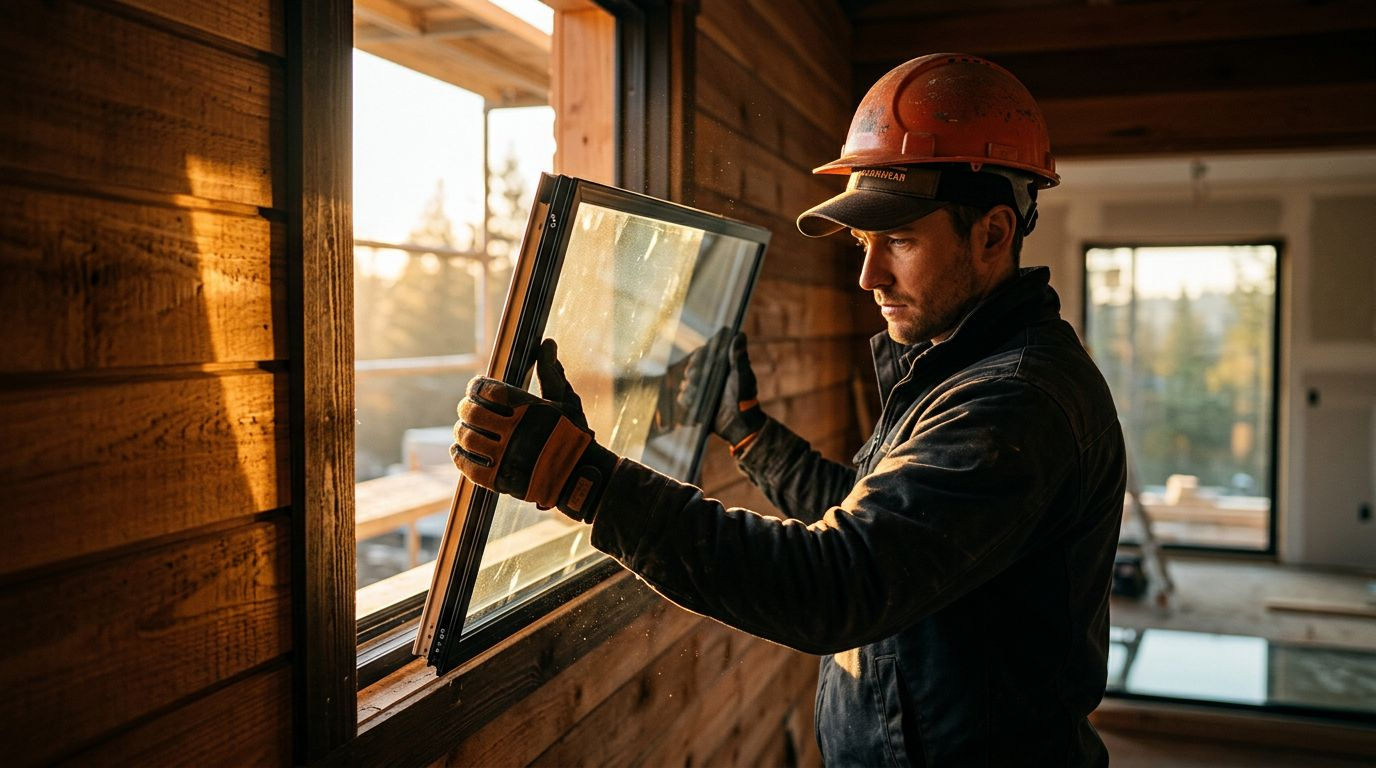
Before removal, we protect the nearby floor and create a safe handling path. Once the old unit is out, the exposed opening is checked. Damage, poor drainage, or an out-of-square condition should not be hidden behind a new frame.
The replacement unit is set level, square, secured, insulated, and sealed according to the selected product and installation method. Interior and exterior finish work is completed as described in the proposal. Then every unit is operated with the homeowner: opened, closed, locked, and looked over in daylight, because proof beats promises.
Manufacturer warranty coverage depends on the exact brand and product line. We review the applicable written warranty instead of promising a universal lifetime warranty for product and labor.
A straightforward process for installation
How JBN Windows Handles the Project
Prepare and Protect
We ready the rooms, protect floors and plantings, and stage the units.
Measure and Compare
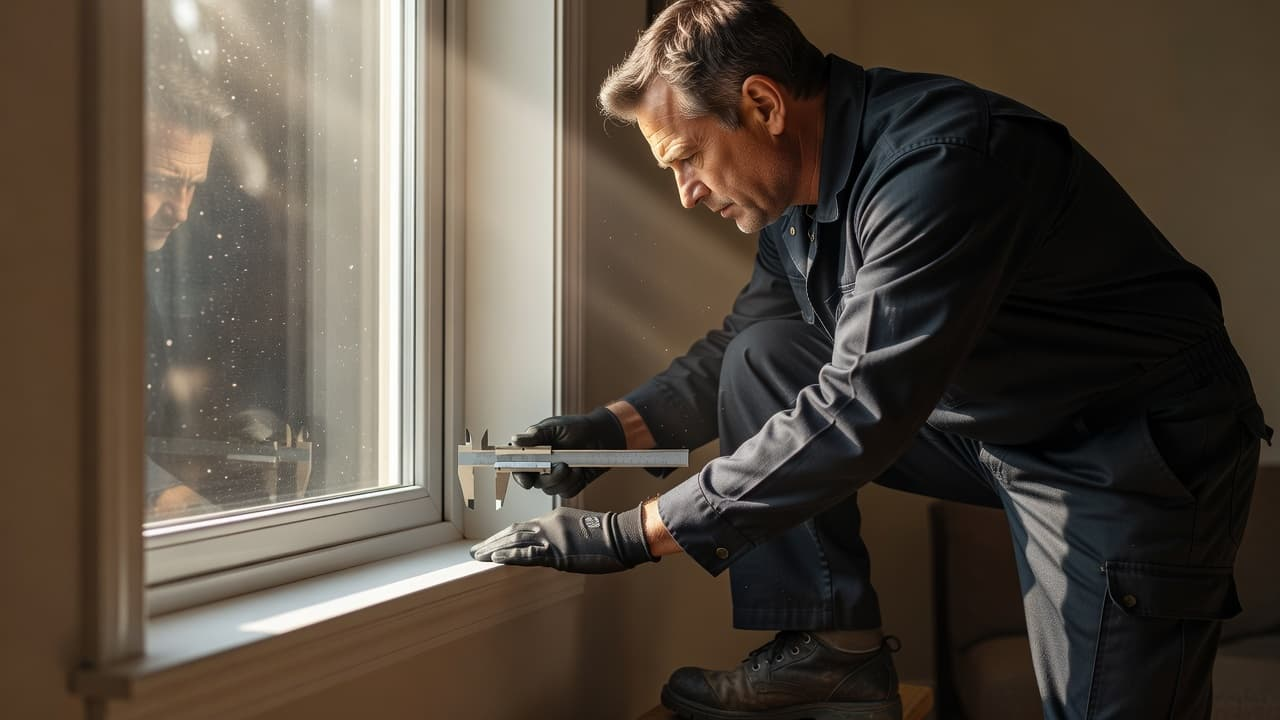
We check the opening and compare available frames, glass, colors, and combinations.
Written Scope
The selected window and surrounding installation work are documented before ordering.
Install and Review
The unit is installed, sealed, cleaned, inspected, and walked with the homeowner.
Denton, Texas is our primary service area
We Come to the House Because the View Is There
Window Installation North Texas homeowners hire should be explained before it is sold. A sample corner cannot show your alarm sensors, your sprinkler-side sill, or the staircase window that decides the ladder plan.
JBN Windows is a division of The JBN Group, Inc., serving homeowners since 1996. We do not operate a retail showroom. We come to homes in Denton, Argyle, Corinth, Flower Mound, Highland Village, Lewisville, Little Elm, Oak Point, Frisco, The Colony, Prosper, Roanoke, Northlake, Trophy Club, and surrounding North Texas communities.
Call 469-340-0834 to confirm service for your location, or review our window replacement service and energy-efficient window guide.
Straight answers about the install
Window Installation FAQs
How long does window installation take?
One window typically takes under an hour once the work starts. A whole home usually runs one to two days depending on the count and the full-frame work involved. The house is never left open or unsecured overnight.
How should I prepare my home for window installation?
Clear about two feet around each window, take down blinds and curtains, move furniture that touches the glass, and plan for pets. Tell us about alarm sensors on the old windows so they are handled on purpose.
Can I install replacement windows myself?
A careful homeowner can do one simple insert. The honest risks are flashing mistakes that leak into the wall, voided product warranties on some lines, and disposal of the old units. Twenty windows with two methods is a different proposition than one, and most people price their weekends accordingly.
What is a nailing fin, and does my job need one?
A nailing fin is the flange around new-construction windows that fastens to the framing before siding. Replacement inserts and most full-frame replacements in finished homes do not use one. If a quote mentions fins for a standard replacement, ask why.
Do window installers repair rot they find?
They should, and the arrangement belongs in the scope before work starts: what gets replaced, at what cost, and what pauses the job if the damage runs deeper. Rot sealed over is rot kept, and it keeps eating.
Will my house be open to the weather during installation?
Only one opening at a time, and only while its replacement is going in. Finished windows are sealed before the next one opens. A home is never left open overnight on our jobs.
What warranty comes with the window?
Written warranty terms depend on the selected manufacturer and product line. We review the applicable warranty and state any JBN Windows workmanship commitments in the proposal.
Do you have a showroom in Denton?
No. Installation starts at your home, where the openings are.
How do I request an estimate?
Call JBN Windows at 469-340-0834 or use the estimate form to schedule an in-home visit.
Verified company citations
Business Listings and Industry Memberships
Each existing logo opens The JBN Group's actual profile or membership page.





Let's Plan Your Installation Day
We will measure the openings, name the method for each one, and write the whole installation into the scope.
