
Living and Dining Rooms
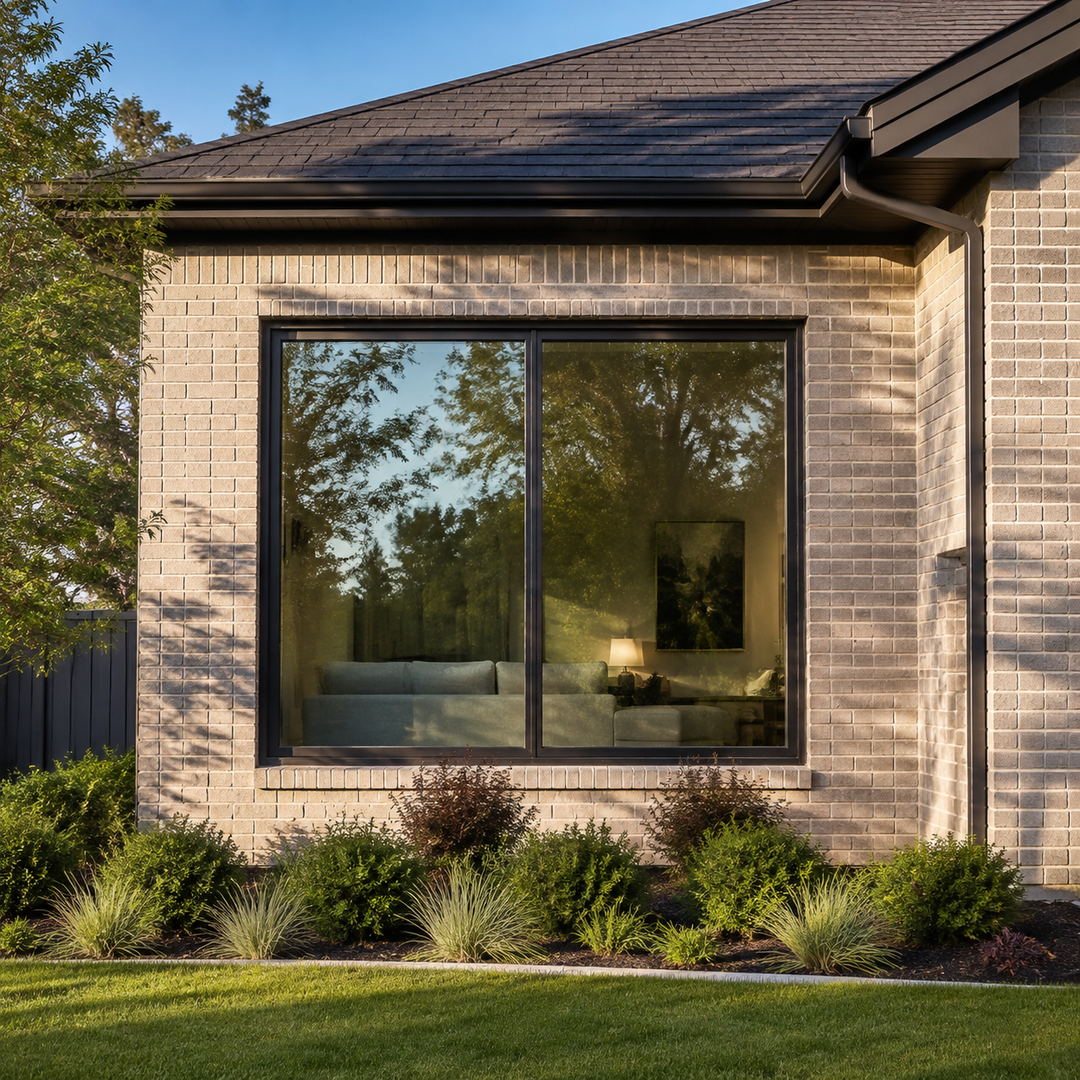
A large fixed pane can connect the room to a yard or tree line. The frame, grille pattern, and height should make sense with nearby windows.
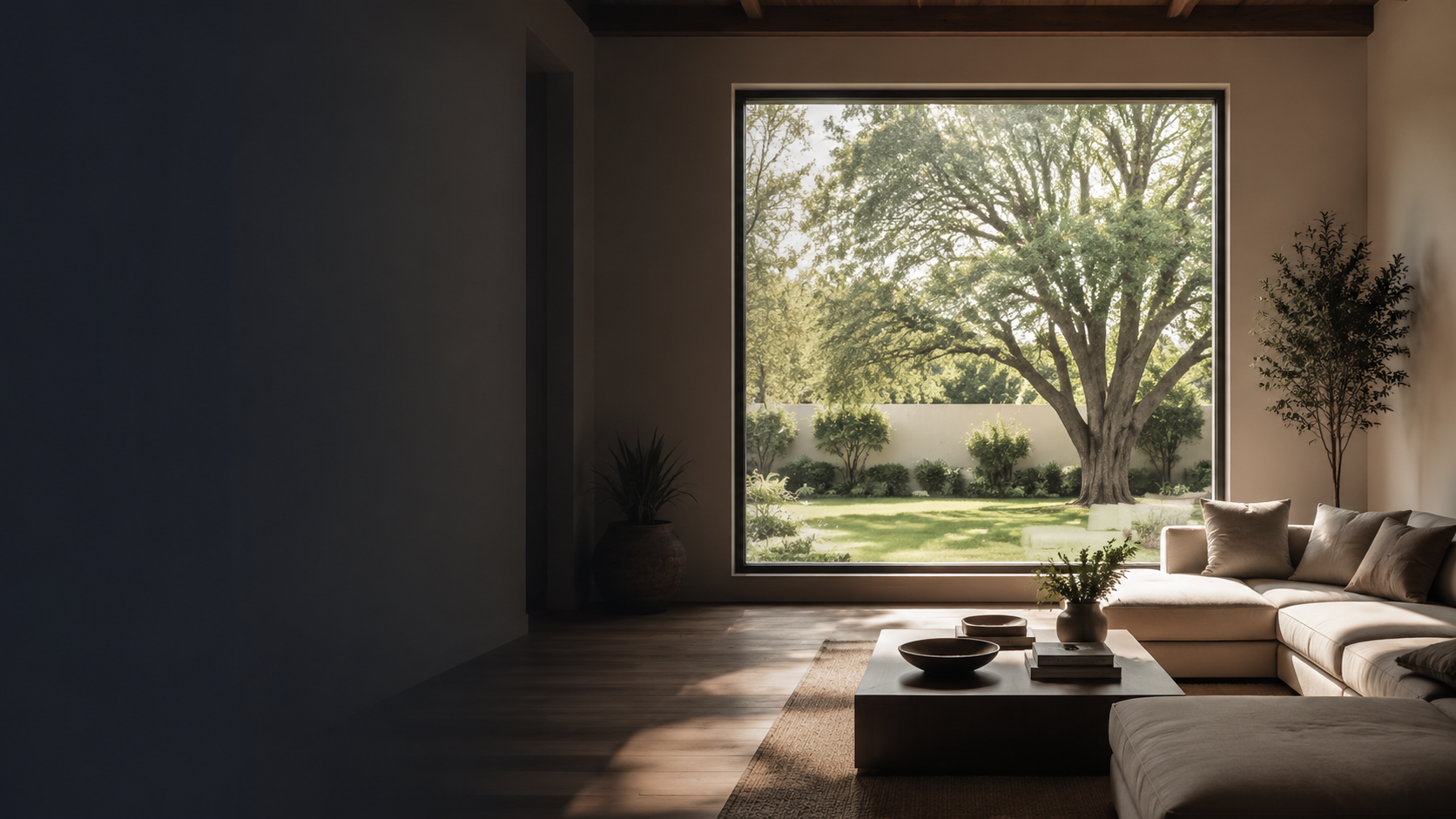
One pane, no sash, nothing between you and the yard
Fixed glass for the widest view, the most light, and the tightest seal in the house.
A picture window is one large pane of glass fixed in its frame. It does not open, and that trade is what makes it the best at everything else: no sash crossing the view, no hardware to wear, no seal that moves. JBN Windows measures the wall, checks what the sun does on that much glass, and helps you size the pane and plan the opening windows around it.
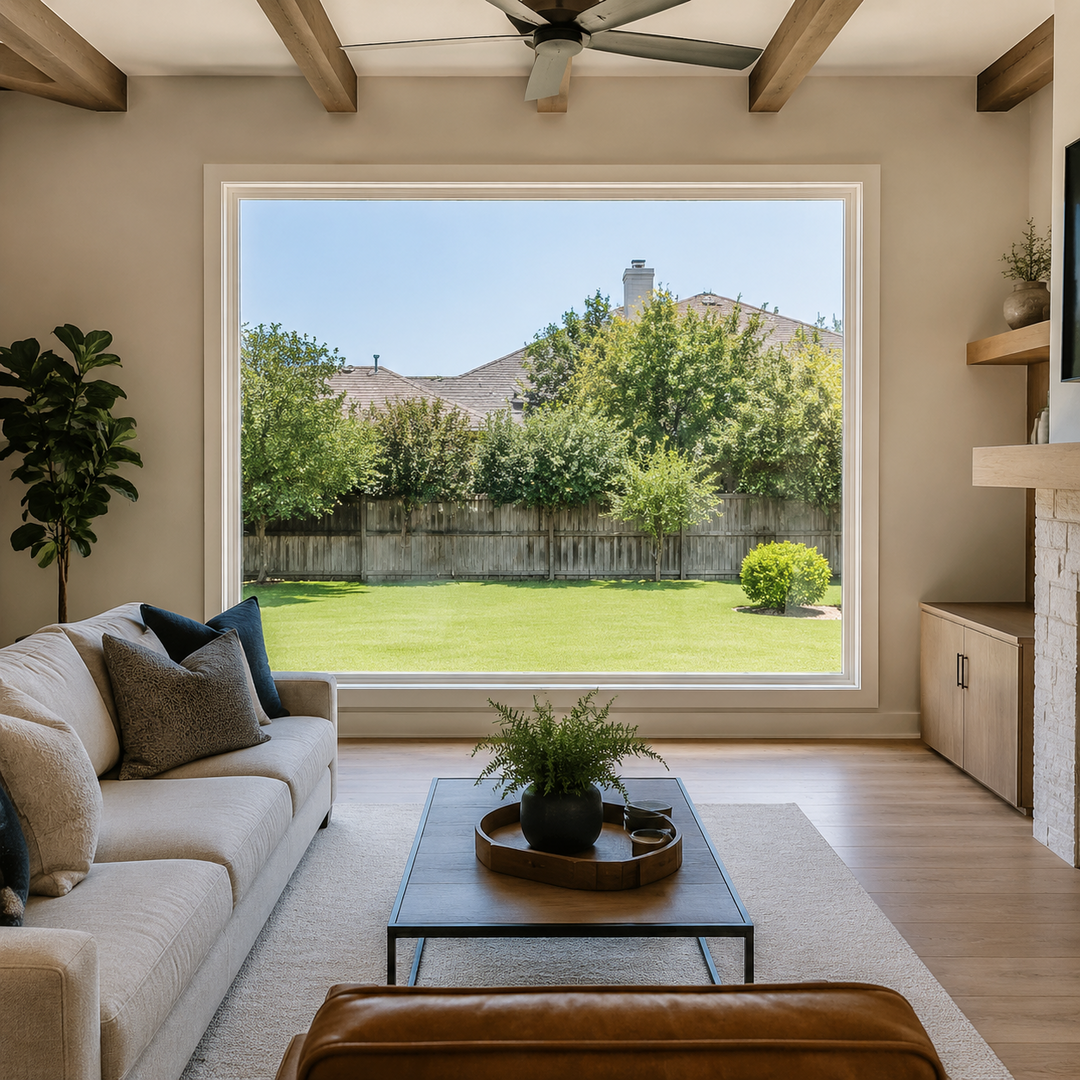
The best location begins with something worth looking at
A picture window is a fixed unit built to give a room daylight and an unbroken view, with no operating sash anywhere in it.
That makes it the natural choice for the room with something to look at: a living room facing the yard, a dining area on the garden, a stair landing that needs daylight. It also calms a busy wall, replacing a row of small divided windows with one clean sheet of glass.
We still need to look at what happens on both sides of the glass. Furniture and television placement fight glare, floor height and neighboring homes set the privacy, and the direction of the sun decides how much heat that much glass lets in on an August afternoon.
Fixed does not mean it belongs everywhere
The design earns its keep when the room needs glass and a view but does not depend on that opening for air.
A large fixed pane can connect the room to a yard or tree line. The frame, grille pattern, and height should make sense with nearby windows.
Picture windows bring light into places where an operating sash would be unreachable or unnecessary. Cleaning access still deserves a plan.
A fixed window alone cannot ventilate the room. Pair it with an operating style or choose a different design when fresh air matters.
We can look at the view, room use, and outside clearance before you choose.
Keep the center view and put ventilation where it is useful
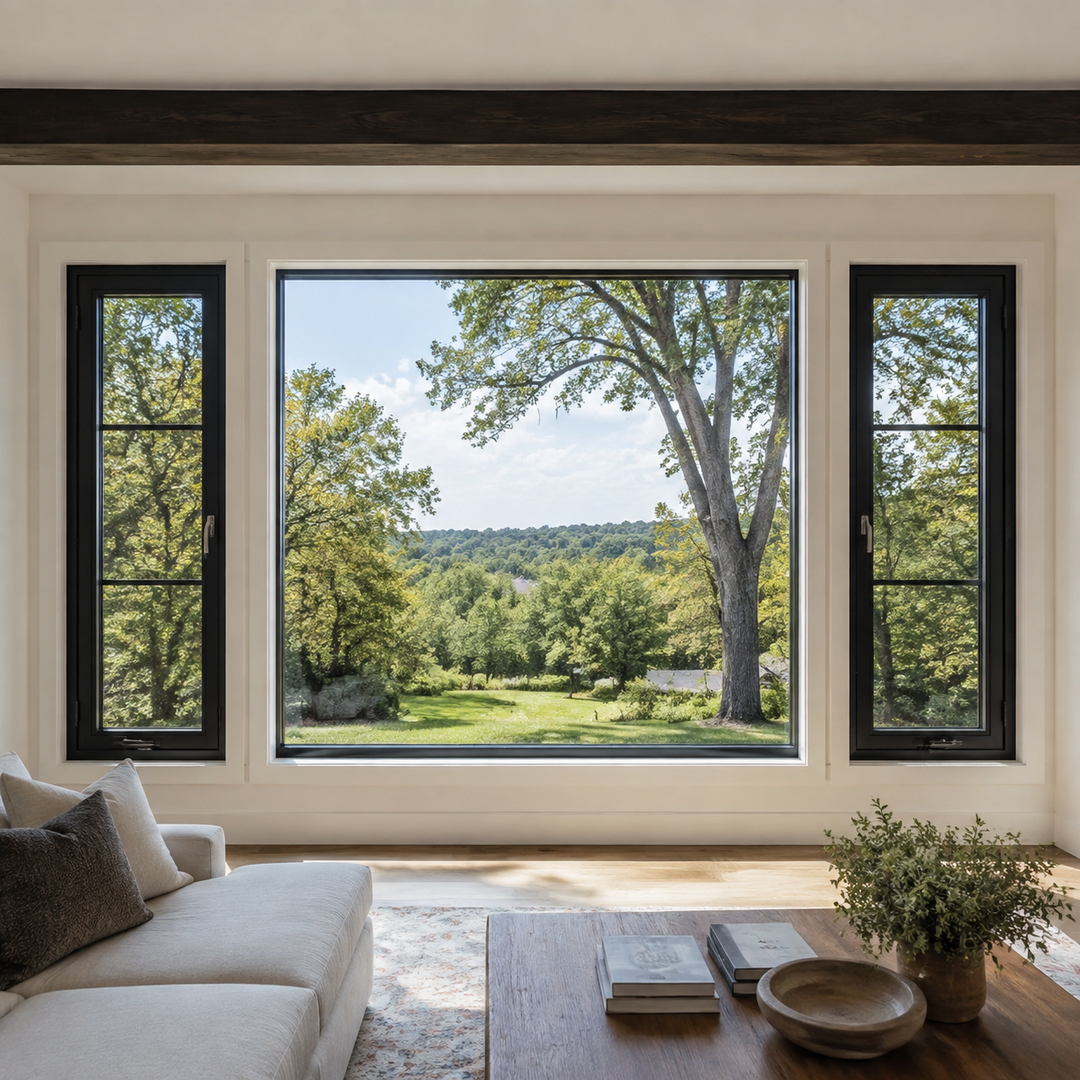
A large picture window holds the center of the wall while narrower operating windows handle the air. Casements on the sides give a balanced arrangement with a full swing of ventilation. An awning above or below the pane works when the wall is wider than it is tall.
The frame lines need to meet cleanly. We compare visible glass heights, mull dimensions, grille patterns, colors, and hardware so the whole wall reads as one planned unit, and the cranks stay reachable once the furniture is back in place.
Browse casement windows and awning windows if the room needs airflow. For a projecting combination that adds interior depth, compare bay and bow windows.
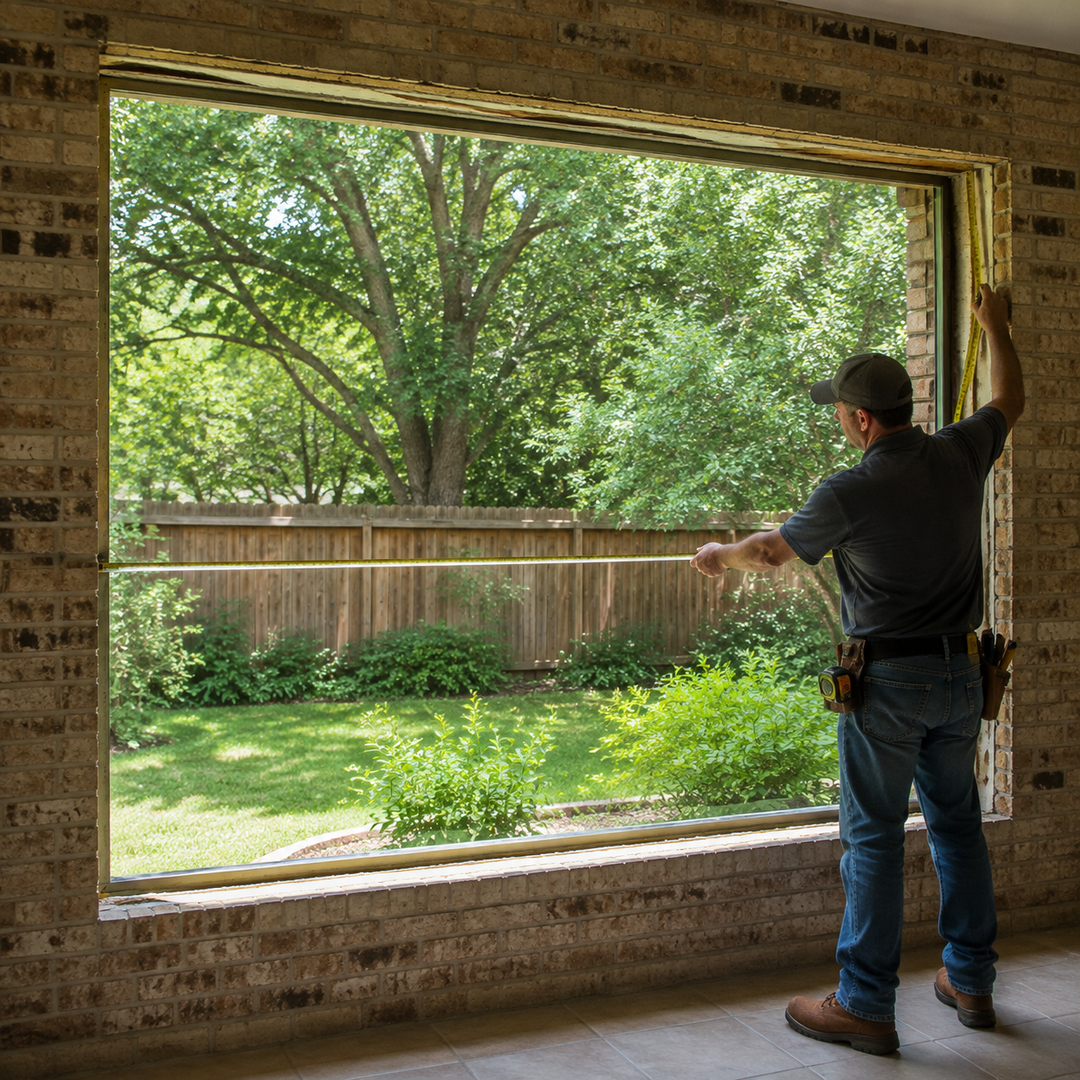
Large glass makes accurate measurement more important
A wide picture window is not ordered from one measurement across the center. We check width and height at multiple points, look for square, inspect the sill and the wall around it, and confirm how the existing unit was installed before the new pane is ever cut.
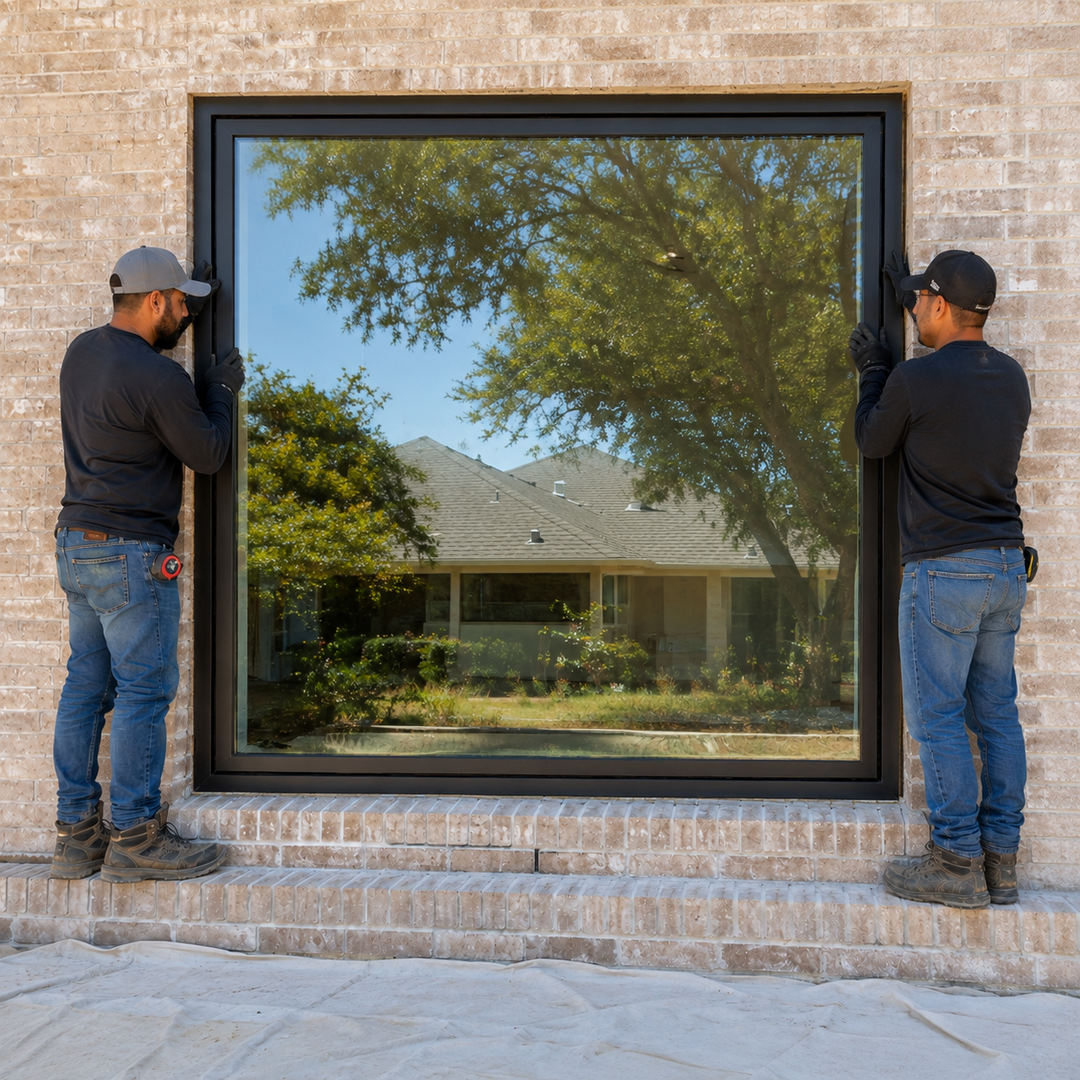
Access affects the plan too. A big pane is heavy and does not bend around corners, so the route from the truck to the wall, the number of hands on the glass, floor protection, and the landscaping under the wall all belong in the written scope.
Size availability varies by manufacturer, product series, frame material, glass, and configuration. JBN Windows works factory direct with Pella, Andersen, and MI Windows. We compare what can actually be made for the opening rather than promising every size in every material.
The biggest pane in the house takes the most sun
There is more glass here than in any other window in the house, so the glass choice carries the whole wall. A shaded north pane and a wide west pane do not live the same life: on a west wall, afternoon heat and glare can change the comfort of the room. Tree cover, roof overhang, and the total glass area all go into the call.
The NFRC label rates the complete window. U-factor measures heat transfer. Solar Heat Gain Coefficient tells you how much solar heat passes through. Visible Transmittance helps compare daylight. A lower SHGC can help with solar heat, but it can also change the appearance and brightness of the glass.
ENERGY STAR certification is useful, but it does not replace comparing the exact product and wall exposure. We do not promise a fixed utility-bill reduction. Review the official ENERGY STAR explanation of NFRC ratings.
The glass is only as good as the opening around it
Before removal, we protect the nearby floor and create a safe handling path. Once the old unit is out, the exposed opening is checked. Damage, poor drainage, or an out-of-square condition should not be hidden behind a new frame.
The replacement unit is set level and square, secured, insulated, and sealed on all four sides according to the selected product and installation method, because a large pane in a racked frame carries stress it should never see. Interior and exterior finish work is completed as described in the proposal. We inspect the glass and seals with you, clean the work area, and review the finished window together.
Manufacturer warranty coverage depends on the exact brand and product line. We review the applicable written warranty instead of promising a universal lifetime warranty for product and labor.
A straightforward process for a large fixed window
We look at the wall, sun, privacy, furniture, outside view, and ventilation needs.
We check the opening and compare available frames, glass, colors, and combinations.
The selected window and surrounding installation work are documented before ordering.
The unit is installed, sealed, cleaned, inspected, and walked with the homeowner.
Denton, Texas is our primary service area
Picture Windows Denton TX homeowners choose should be planned in the actual room. A sample corner cannot show afternoon glare, a neighbor's second-story window, the height of a fence, or how furniture sits against the wall.
JBN Windows is a division of The JBN Group, Inc., serving homeowners since 1996. We do not operate a retail showroom. We come to homes in Denton, Argyle, Corinth, Flower Mound, Highland Village, Lewisville, Little Elm, Oak Point, Frisco, The Colony, Prosper, Roanoke, Northlake, Trophy Club, and surrounding North Texas communities.
Call 469-340-0834 to confirm service for your location, or review our window replacement service and energy-efficient window guide.
Straight answers before you make the wall mostly glass
No. A picture window is fixed glass without an operating sash. Choose another style or pair it with operating windows when the room needs ventilation.
They are usually the most efficient window in the house per square foot of glass. There are no operating joints, tracks, or moving seals to leak air, and nothing wears. Actual performance still depends on the glass, frame, and installation, so compare the exact NFRC ratings.
Yes. Casement, awning, double-hung, or other operating units may be placed beside, above, or below fixed glass when the selected products and opening support the design.
Much larger than a window that opens, because there is no sash weight and no hardware to carry. The real limits are the glass itself, the wall, and the route the pane takes into the room. Maximum size also depends on the manufacturer, series, and glass, and the opening must be measured before a size is confirmed.
It can contribute to heat and glare when it receives strong sun. Glass area, direction, shade, coatings, and window coverings should be considered together.
Often, yes. The same opening can take a casement, an awning, or hung windows, or a combination of them. It is a common change in bedrooms that need an exit opening and kitchens that need air, and we check the opening at the home visit.
Written warranty terms depend on the selected manufacturer and product line. We review the applicable warranty and state any JBN Windows workmanship commitments in the proposal.
No. We come to your home to inspect the room, view, sun exposure, and opening.
Call JBN Windows at 469-340-0834 or use the estimate form to schedule an in-home visit.
Verified company citations
Each existing logo opens The JBN Group's actual profile or membership page.
We will measure the opening, check the sun and room, and help you compare fixed and operating window combinations.