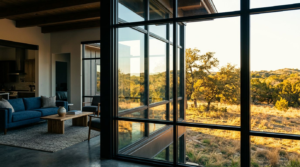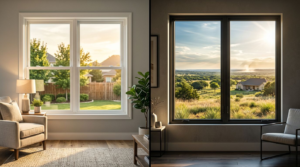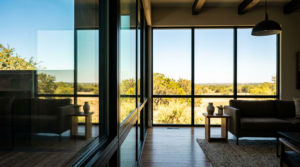
Hot Texas summers expose weak windows fast. West-facing rooms heat up, air conditioners work longer, and old glass can make a comfortable room feel uneven.
If you’re comparing replacement windows, low-e glass is the feature that helps control radiant heat without blocking natural light. The best result comes from pairing the glass with the right frame, performance ratings, and professional installation.
What low-e glass does in a North Texas home
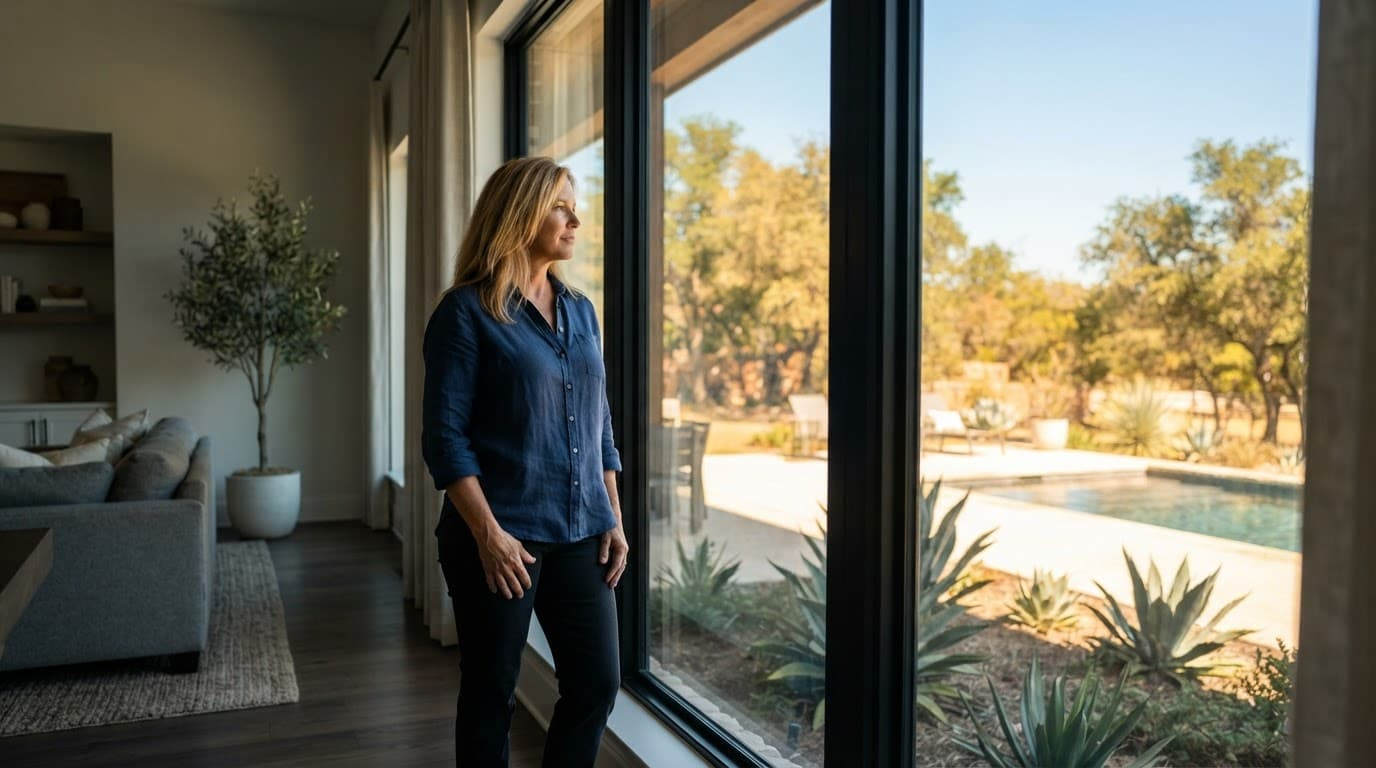
Direct answer: Low-e glass has a thin, nearly invisible coating that reduces radiant heat transfer through the window. In a North Texas home, the right coating can help limit summer heat gain, protect furnishings from UV exposure, and improve comfort near sunny windows.
JBN Windows explains more about energy-efficient windows for local homes, but the basic concept is simple. Low-e means “low emissivity,” which describes how much heat a surface releases or reflects. The coating reflects part of the sun’s infrared energy while allowing visible daylight into your rooms.
A thin coating with a practical effect
Most low-e packages combine coated glass with an insulated glass unit. That usually means two panes separated by a spacer, with sealed air or argon gas between them. The result is a stronger barrier against heat movement than clear, single-pane glass.
Low-e glass can also reduce UV transmission, which may slow fading on flooring, artwork, furniture, and window treatments. The exact UV performance depends on the glass package, so ask to see the product’s technical information rather than relying on a general promise.
Why solar control matters in Texas
North Texas homes often receive intense afternoon sun, especially on south- and west-facing walls. A window can feel hot even when the room temperature seems reasonable because sunlight warms the glass and nearby surfaces.
The U.S. Department of Energy explains that low-e coatings are available for different solar-gain needs. For a sunny Texas room, a lower solar heat gain option often makes more sense than clear glass, although the best selection depends on orientation, shading, and the home’s design.
Read the NFRC label before you buy
A window quote should include measurable performance information, not only product names. The NFRC window ratings guide explains the label fields you should compare when reviewing energy efficient windows.
| Rating | What it measures | What usually helps in North Texas |
|---|---|---|
| U-factor | Heat flow through the window | A lower number |
| SHGC | Solar heat entering through the glass | A lower number for strong sun |
| VT | Visible light passing through | Choose based on desired brightness |
| Air leakage | Air moving through the window assembly | Lower leakage is better |
U-factor and SHGC answer different questions
U-factor measures how easily heat moves through the complete window. Lower is better. A lower U-factor can help keep cooled air inside during summer and reduce heat loss during mild North Texas winters.
SHGC measures how much solar heat enters through the glass. Lower SHGC is often useful for unshaded, west-facing windows. However, a low SHGC does not automatically mean the room will look dark because SHGC and visible transmittance are different measurements.
Current ENERGY STAR guidance for the South-Central climate zone uses a U-factor of 0.28 or lower and an SHGC of 0.23 or lower for qualifying residential windows. Requirements can change, so check the current ENERGY STAR residential window information before ordering. Older documents may show less strict numbers.
Comfort includes condensation and indoor humidity
Better-insulating glass usually keeps the inside pane warmer. That can reduce the chance of interior condensation, especially during cool weather. Still, high indoor humidity can cause moisture on almost any window.
Low-e glass may improve comfort near the window, but it won’t correct a leaking frame, poor drainage, or excessive humidity. Ask your installer to inspect the complete opening.
Choose a window package that fits your room
JBN Windows is a local window company serving Denton County and more than 40 North Texas communities. Homeowners in Denton TX, Argyle TX, Corinth TX, Flower Mound TX, Highland Village TX, and Lewisville TX may need different styles based on room layout, opening size, ventilation, and sun exposure.
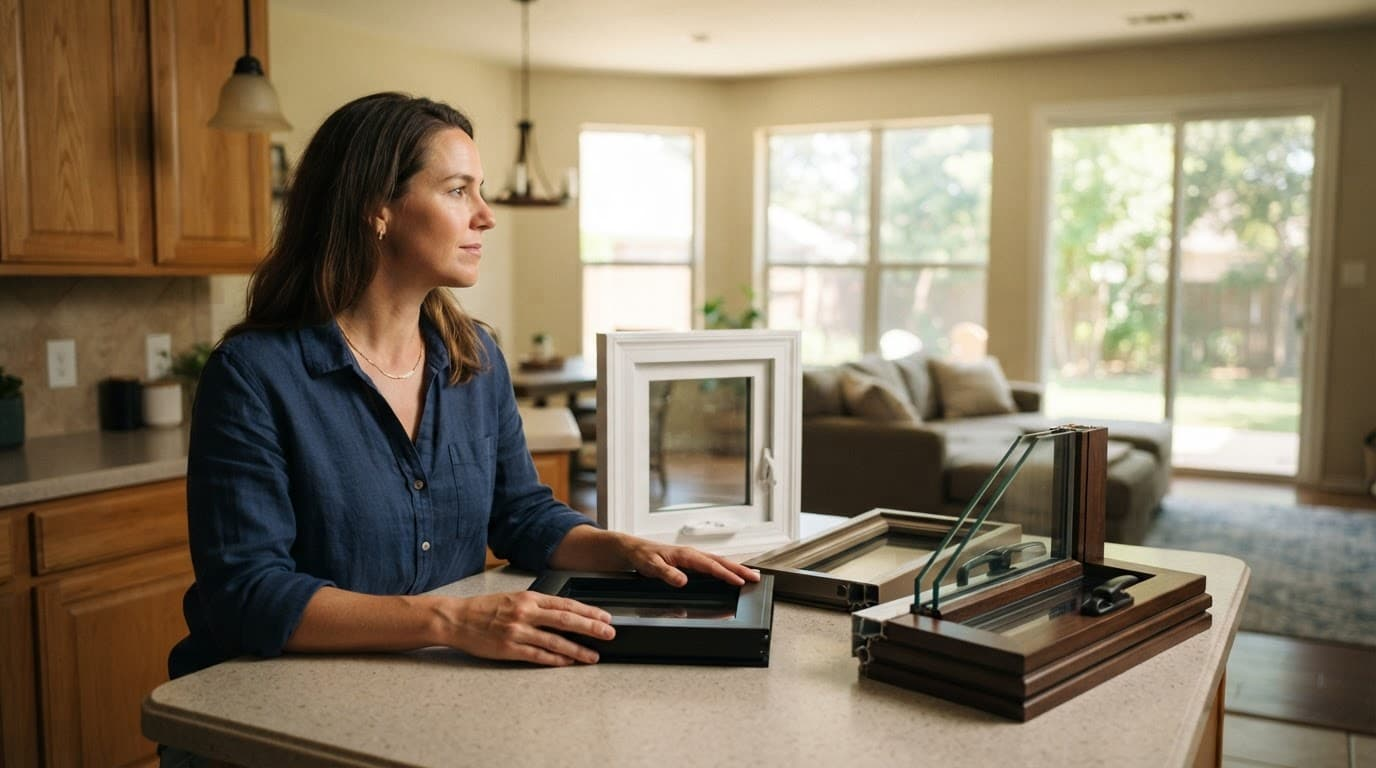
| Window style | Where it often fits |
|---|---|
| Double hung windows | Bedrooms and living areas where you want both sashes to move |
| Casement windows | Rooms that benefit from a tight seal and directed airflow |
| Awning windows | Bathrooms, kitchens, and openings that need ventilation during light rain |
| Picture windows | Living rooms and other spaces where you want a wide, clear view |
| Sliding windows | Wide horizontal openings where a simple side-to-side operation works best |
Match the style to the opening
Casement and awning windows use compression seals when closed, which can help limit air leakage. Double hung windows are practical for many bedrooms because you can open the top or bottom sash and often tilt the sashes for cleaning.
Picture windows don’t open, but their fixed design can provide strong air sealing. Sliding windows offer easy operation across wider openings, although the track and meeting rail need regular cleaning.
When you compare North Texas windows, focus on the entire window assembly rather than choosing a style by appearance alone. Glass, frame, seals, spacers, and installation all affect performance.
Frame material affects maintenance
Vinyl replacement windows are popular because they resist rot and don’t require paint. Fiberglass and wood options can also fit specific architectural goals, but each material has different maintenance needs and price considerations.
For unusual openings, custom windows may be the right solution. A carefully measured custom unit can preserve the proportions of an older home while improving insulation. New windows can also improve curb appeal and home value when the style matches the house.
The U.S. Department of Energy’s purchasing guidance is useful when you want to compare glass, frame, and solar-gain features together.
Why professional installation matters as much as glass
Even a high-performing window can underperform if the opening is measured incorrectly or the frame isn’t sealed correctly. During window replacement, installation quality affects air leakage, water management, operation, and long-term durability.
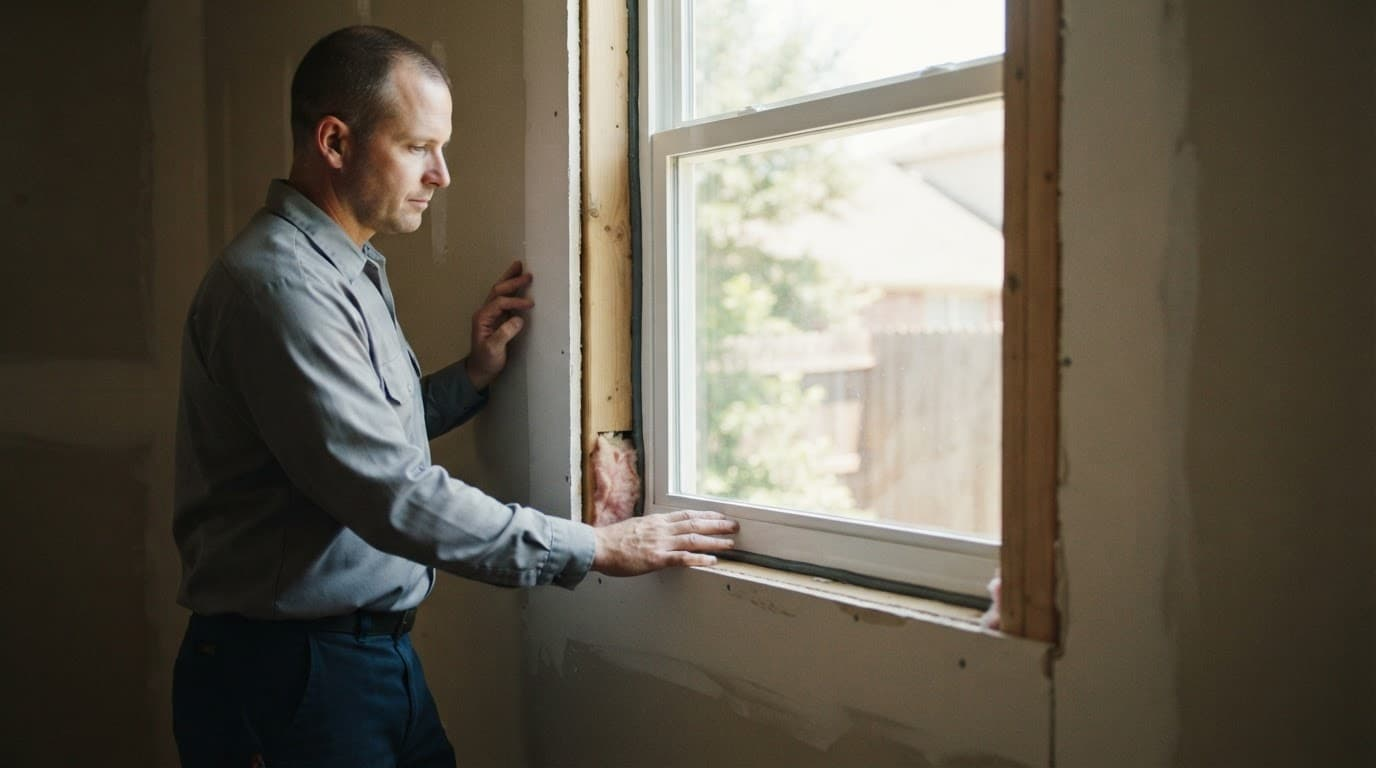
The opening needs a measured, sealed fit
Replacement window installation starts before the new unit arrives. The installer should check the existing frame, measure the opening, identify damage, and determine whether an insert or full-frame approach makes sense.
An insert replacement keeps more of the existing frame. A full-frame replacement removes the old frame and gives the installer a chance to address hidden damage or outdated construction. Your home’s condition should guide that decision.
A qualified window contractor should explain how the unit will be shimmed, leveled, insulated, and sealed. For Denton homeowners comparing options, View Our Window Replacement Services to see how the project scope can vary.
Air sealing and drainage protect the investment
The perimeter seal needs to block unwanted outdoor air while allowing the opening to manage water correctly. Overfilled foam, missing flashing, or blocked drainage paths can create problems behind the trim.
Ask who handles interior and exterior sealing, what happens if the rough opening has damage, and how the finished trim will look. You can also learn about JBN Windows before scheduling an estimate.
Compare quotes by comfort, warranty, and value
A low price may leave out important details. Ask each company to list the window style, frame material, glass package, NFRC ratings, spacer type, installation method, trim work, disposal, and warranty coverage.
Look for these details in writing:
- The ordered window should match the U-factor and SHGC values shown on the NFRC label.
- The quote should explain whether the work is insert or full-frame replacement.
- The warranty should identify coverage for glass seals, frame components, and installation labor.
- The installer should explain how to clean tracks, inspect seals, and operate each style.
Energy savings depend on the whole project
Low-e glass can reduce heat entering through the window, but your energy savings will vary with window size, shade, insulation, air leakage, thermostat settings, and the condition of your HVAC system.
You may notice a cooler area near sunny glass before you see a major change on an electric bill. That comfort improvement matters, especially in rooms where older windows allow drafts or strong radiant heat.
A local inspection beats guessing
A site visit helps identify whether the problem comes from clear glass, failed seals, warped frames, or gaps around the opening. It also lets you compare glass packages for each room instead of ordering the same specification everywhere.
JBN Windows can review your residential windows, explain the available options, and provide a written scope. If you have questions, Contact JBN Windows or Call Us Today.
A cooler home starts with the whole window
Low-e glass is one of the most useful upgrades for Texas heat, but it works best as part of a complete system. Compare U-factor, SHGC, VT, frame material, seals, installation details, and warranty coverage before you choose.
The right combination can improve comfort near sunny rooms, reduce unwanted heat transfer, protect furnishings, and support long-term energy savings. It can also make your home easier to maintain and more attractive to future buyers.
If your old windows are drafty, fogged, difficult to operate, or hot to the touch, Request Your Free Quote from JBN Windows and get recommendations based on your home’s openings and sun exposure.