Simple Design
One moving sash makes the window easy to understand and use.

Single-hung windows offer a simple look, one moving lower sash, and no outside swing. JBN Windows helps Denton homeowners choose and install replacement windows built for local homes and North Texas weather.
A single-hung window has two sashes in one frame. The lower sash moves up and down. The upper sash stays fixed. This gives the window a classic look and a simple way to bring fresh air into a room.
Since only one sash moves, the design has fewer moving parts than a double-hung window. Both styles stay inside the frame, so they do not need space to swing out. This can help near walks, shrubs, patios, and small yards.
For two moving sashes and more ways to vent a room, compare our double-hung windows.
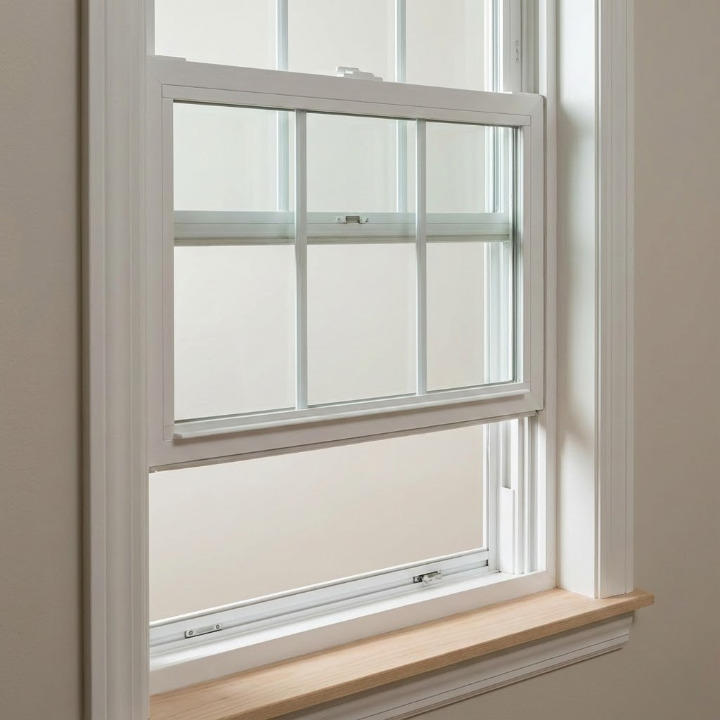
The lower sash slides up to let air through the lower part of the opening. A balance system helps hold the sash in place. Locks at the meeting rail pull the sash toward the fixed upper panel when the window is shut.
Some models let the lower sash tilt in for easier cleaning. The exact parts and features vary by brand and product line. Smooth use depends on the right size, a square frame, and careful installation.
Not sure which style fits your room? Call JBN Windows at 469-340-0834.
One moving sash makes the window easy to understand and use.
The sash stays in the frame, which helps near paths and plants.
The balanced shape works with many older and newer Denton homes.
Lift the lower sash to add air flow when the weather is mild.
The fixed top sash makes the operating system less complex.
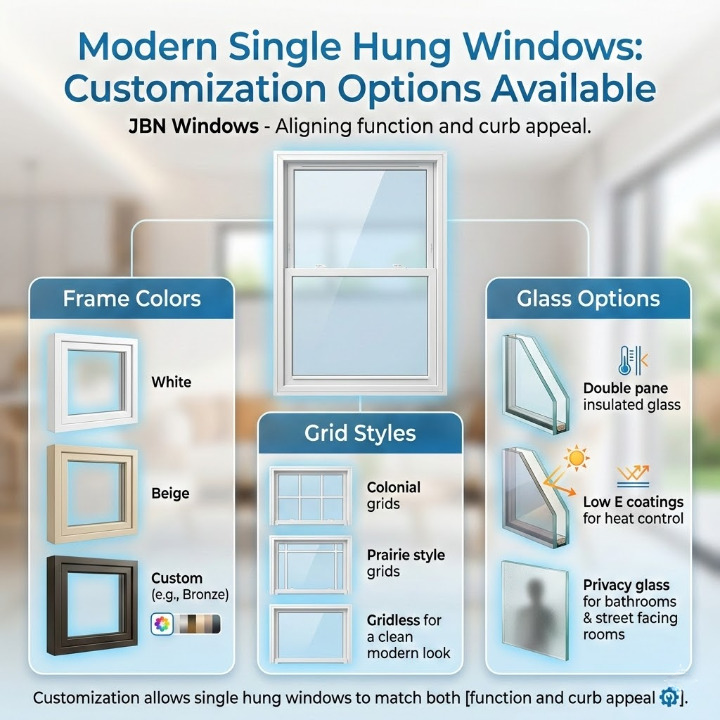
Choose from available frame colors, glass, grids, and locks.
Get clear help with style, glass, fit, and installation.
Single-hung windows work well in bedrooms, living rooms, halls, and dining rooms. They are also useful where a sash that swings out could block a path or touch a shrub.
Denton homes face hot sun, strong heat, cold snaps, wind, and hard rain. The whole window must suit the site. Glass, frame, seals, shade, wall type, and install work all play a part.
If you plan to replace more than one type of window, review our full window replacement services.
| Style | How it opens | Good fit for | Learn more |
|---|---|---|---|
| Single-hung | Lower sash moves up | Simple use and a classic look | This page |
| Double-hung | Both sashes move | More vent control and tilt-in access | Double-hung windows |
| Casement | Side hinge; opens out | Wide air flow and clear views | Casement windows |
| Sliding | Moves from side to side | Wide wall openings | Sliding windows |
| Picture | Fixed; does not open | More light and broad views | Picture windows |
Modern single-hung windows may use Low-E glass, two or more panes, sealed glass spaces, and frames made to slow heat flow. Weather seals around the moving sash also affect how the window works.
Check the full window’s U-factor and Solar Heat Gain Coefficient. U-factor shows the rate of heat flow. SHGC shows how much heat from the sun comes through. The right mix depends on sun, shade, and the side of the home.
Read our energy-efficient window guide. You can also review facts from ENERGY STAR and the NFRC.

Frames: Vinyl, fiberglass, wood-clad, and other systems may be offered by the chosen brand.
Glass: Choices may include clear, Low-E, tinted, obscure, or safety glass.
Grids: Grid lines can give the window a more classic look. A clear pane can look more modern.
Colors and locks: Frame colors and lock finishes can help match the trim and room.
We help you sort the choices by need, look, care, site, and cost.
The opening must be checked before a new window is set. The frame should be square, level, and firm. This helps the lower sash move with less strain and meet the lock in the right place.
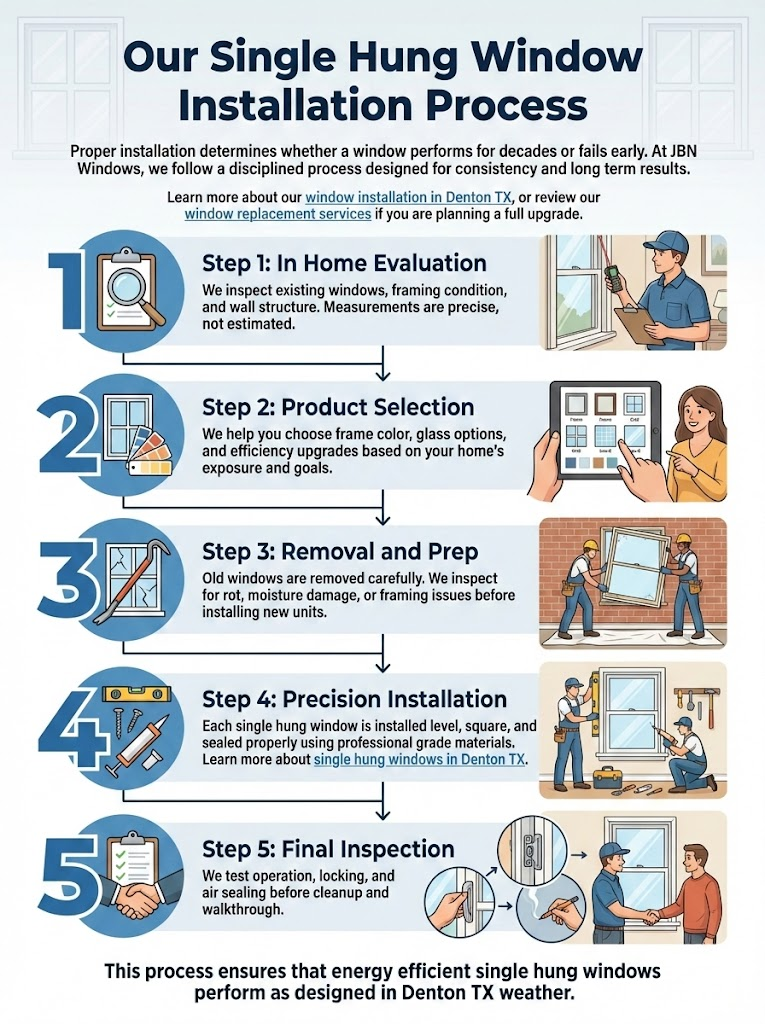
JBN Windows measures the opening and reviews the site. We remove the old unit as needed, set and fasten the new frame, add insulation, seal the edge, and test the sash and lock. The exact steps depend on the wall and product.
Learn more about our window installation service.
JBN Windows is the window replacement division of The JBN Group, Inc. We are based in Denton and serve homes across North Texas.
We check the opening, room, sun, shade, wall, and goals before we suggest a window. We explain the key choices in plain terms. We do not make up savings claims or push one style for each home.
Reviewed by JBN Windows. Page updated July 16, 2026.
These third-party pages help you check the identity, standing, and trade ties of The JBN Group, the parent firm of JBN Windows.
Share the room, old window, and goals.
We check the opening and site.
Pick the frame, glass, grid, and color.
We set, fasten, fill, and seal the unit.
We test the sash and go over care.
Use mild soap, clean water, and a soft cloth unless the maker says to use a different method. Keep the sill and drain paths free of dirt. Check the lock and sash from time to time.
If the lower sash tilts in, hold it with both hands and follow the product guide. Do not force the sash or latch. Call for help if the sash binds, falls, will not lock, or shows signs of a leak.
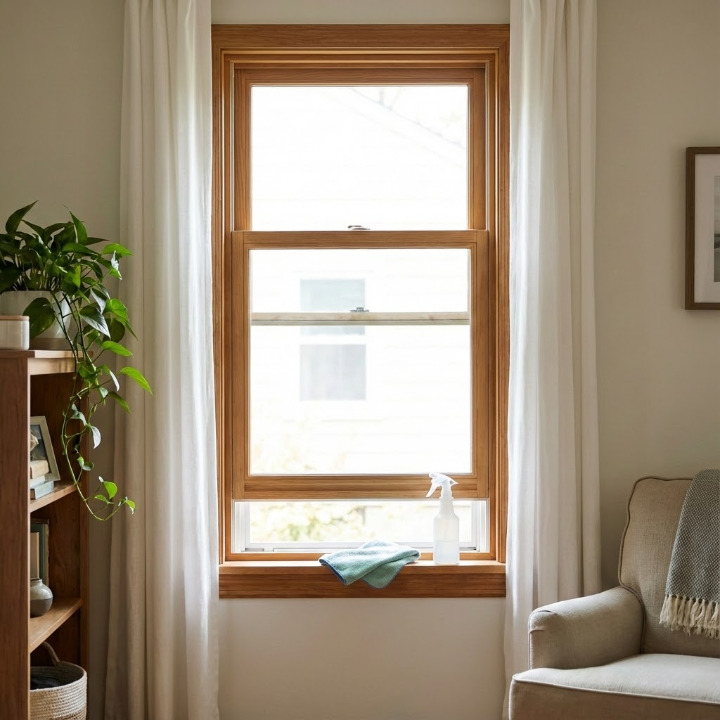
A single-hung window has one lower sash that moves. Its upper sash stays fixed. A double-hung window has two sashes that can move. Both types stay in the frame, but the double-hung style gives you more ways to vent and may be easier to clean.
They can offer good energy use when the frame, glass, seals, and install work as a full system. The fixed top sash has no moving joint. Still, you should compare U-factor and SHGC ratings. Low-E glass, shade, window size, and air sealing also matter.
Some new single-hung windows have a lower sash that tilts in. Others do not. The top sash stays fixed. Check the features of the exact model before you buy. Always support the sash and follow the maker’s steps when you tilt or clean it.
They work well in many bedrooms, living rooms, halls, and dining rooms. They can also fit near paths and plants since the sash does not swing out. For a bedroom escape opening, the size and use must meet the rules that apply to the home.
Dirt, paint, worn seals, a bad balance part, or a frame that is not square can make a sash hard to move. Do not force it. That may harm the glass or parts. A check can show if the unit needs cleaning, repair, or full replacement.
In many homes, yes. We first need to check the size, frame, trim, wall, and signs of water harm. The site check also helps us choose the right install method. It may be a set-in unit or a more complete frame replacement.
Window screens are not fall guards. Keep beds and chairs away from open windows. Use guards or stops that meet the right safety rules, and keep a needed escape opening free. Locks and limits vary by model, so ask about the options for your home.
Cost is based on size, frame, glass, grid, color, amount, access, and site needs. A broad price may not fit your home. JBN Windows gives a project quote after we check the openings and talk through the options that match your goals and budget.
JBN Windows serves Denton, Argyle, Aubrey, Bartonville, Corinth, Copper Canyon, Cross Roads, Double Oak, Flower Mound, Highland Village, Krum, Lake Dallas, Lewisville, Little Elm, Ponder, Sanger, Shady Shores, and nearby North Texas towns.
To check service at your home, call 469-340-0834 or visit the JBN Windows contact page.
Get clear advice based on your home, old windows, comfort needs, style, and budget.
We inspect visible frame conditions, sill alignment, exterior cladding, trim transitions, and signs of moisture intrusion. This review helps determine whether an insert replacement or a more complete frame approach is appropriate for the opening.
We compare whole-window U-factor and Solar Heat Gain Coefficient values, not isolated glass claims. Frame construction, insulated glass, Low-E coatings, spacer design, weatherstripping, and perimeter insulation all influence real-world comfort and efficiency.
Exterior sealants are only one part of water control. Installation details must work with the wall assembly, drainage path, flashing, sill, and exterior finish. Conditions vary, so the correct method depends on the existing construction.
The lower sash should travel smoothly, remain supported, and align with its lock. Bedroom locations may also require specific emergency-escape dimensions. Safety glazing can be required near doors, floors, tubs, or other hazardous locations.
Orientation and shade affect how sunlight reaches each room. Clear, tinted, Low-E, obscure, tempered, and laminated options serve different needs. Product availability and applicable rules determine which choices can be used in a given location.
Material selection affects cleaning, finish care, and future service. We explain normal operation, approved cleaning methods, drainage care, and basic warning signs so homeowners understand how to protect the completed window installation.
Denton properties can have very different exposures even within the same neighborhood. A shaded north-facing window may need a different glass package than a large west-facing opening exposed to intense afternoon sunlight. Roof overhangs, trees, nearby structures, and interior window coverings can also change solar heat gain.
Seasonal wind and rain make exterior detailing important. The replacement must connect correctly with the existing wall, trim, drainage system, and weather barrier. Sealant cannot correct damaged framing or poor water management by itself. Visible deterioration should be evaluated before the new window conceals the opening.
Older Denton homes may include nonstandard dimensions, settled framing, unusual trim, or earlier replacement work. Newer construction may use different wall systems and exterior finishes. Careful measurement and site-specific planning help reduce operating problems, unwanted air movement, and preventable water entry after installation.
Which direction does the window face? Is the room hard to cool? Does the old sash stick or leak? Are there signs of moisture, damaged trim, or failed glass seals? Does the room require emergency escape or safety glazing? These answers guide product selection and installation planning.