What Factors Make Window Replacement More Expensive?
Window replacement is a major home improvement project — one many homeowners underestimate in terms of both scale and cost. While replacing old or damaged windows provides huge benefits such as improved efficiency, comfort, and curb appeal, the price tag can vary significantly. Understanding the reasons behind those fluctuations can help you budget more accurately, avoid surprises, and confidently choose options that provide the best long-term value for your home.
In this in-depth guide, we break down the main factors that influence window replacement costs, explain why certain options cost more, and share practical insights to help you make smart decisions. Whether you’re planning a full-home upgrade or replacing a few drafty windows, this article will equip you with the knowledge you need.
The Type and Quality of Window Materials
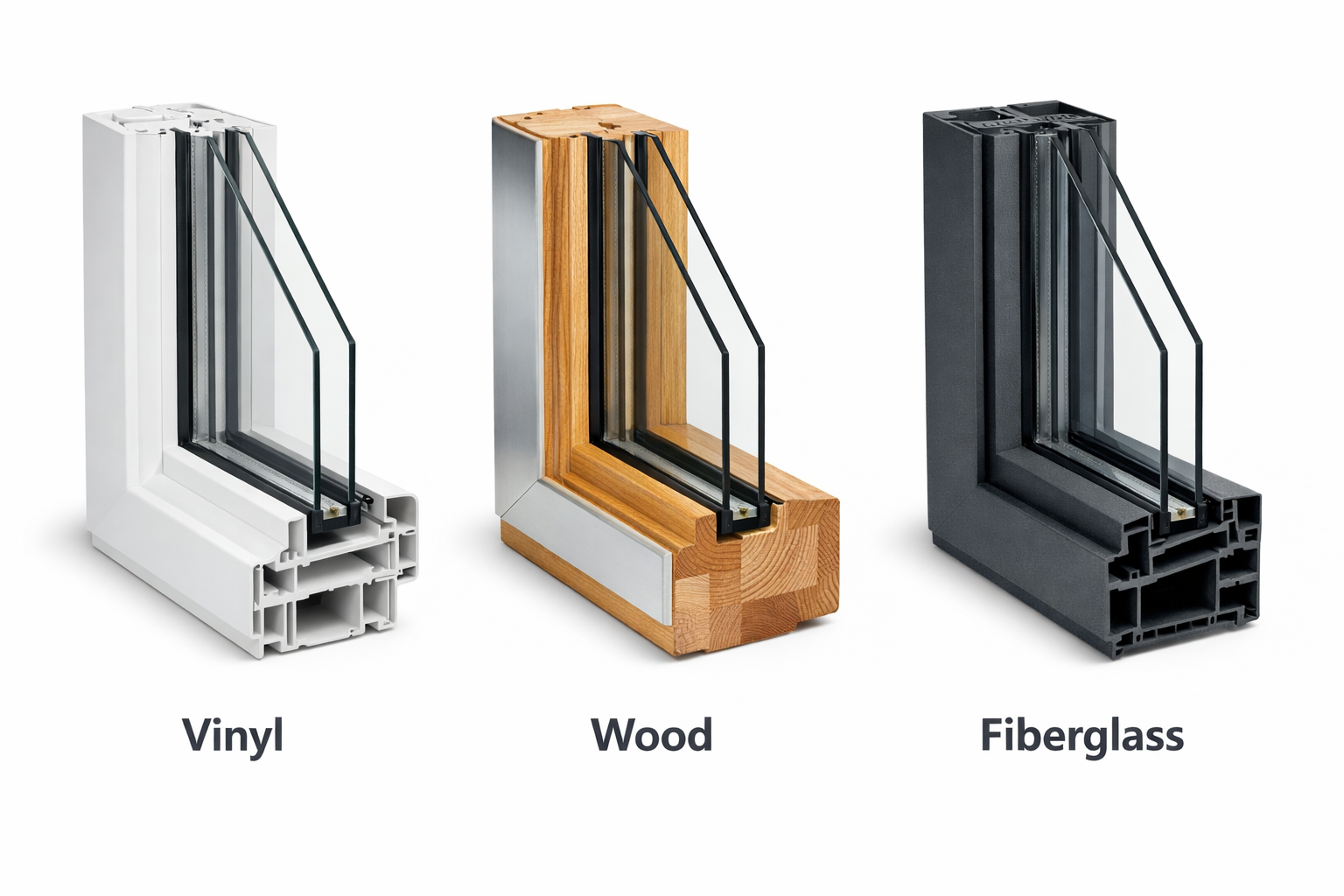
Window materials are one of the most significant cost drivers in any replacement project. The material determines not only the appearance of your windows but also their durability, energy performance, and maintenance requirements. Higher-end materials simply cost more to manufacture and install — but they often deliver superior long-term value.
Premium Materials Increase Cost for Good Reason
While vinyl remains the most affordable and widely used window material, homeowners seeking more durability, better aesthetics, or higher performance often upgrade to alternatives. For example, fiberglass frames are typically 20–40% more expensive than vinyl, but they offer outstanding strength and stability.
- Higher-end materials such as fiberglass or composite typically cost more because they offer superior durability and insulation.
- Wood windows provide excellent aesthetics and insulation but require more labor and maintenance, increasing overall cost.
- Premium glass packages with low-E coatings, gas fills, or multiple panes significantly raise the price due to added energy efficiency.
- Custom finishes, colors, or grid patterns can further increase manufacturing and installation costs.
“When it comes to materials, the initial price isn’t everything. A premium window with better insulation and longevity can save thousands in maintenance and energy over the years.”
Installation Complexity and Labor Needs
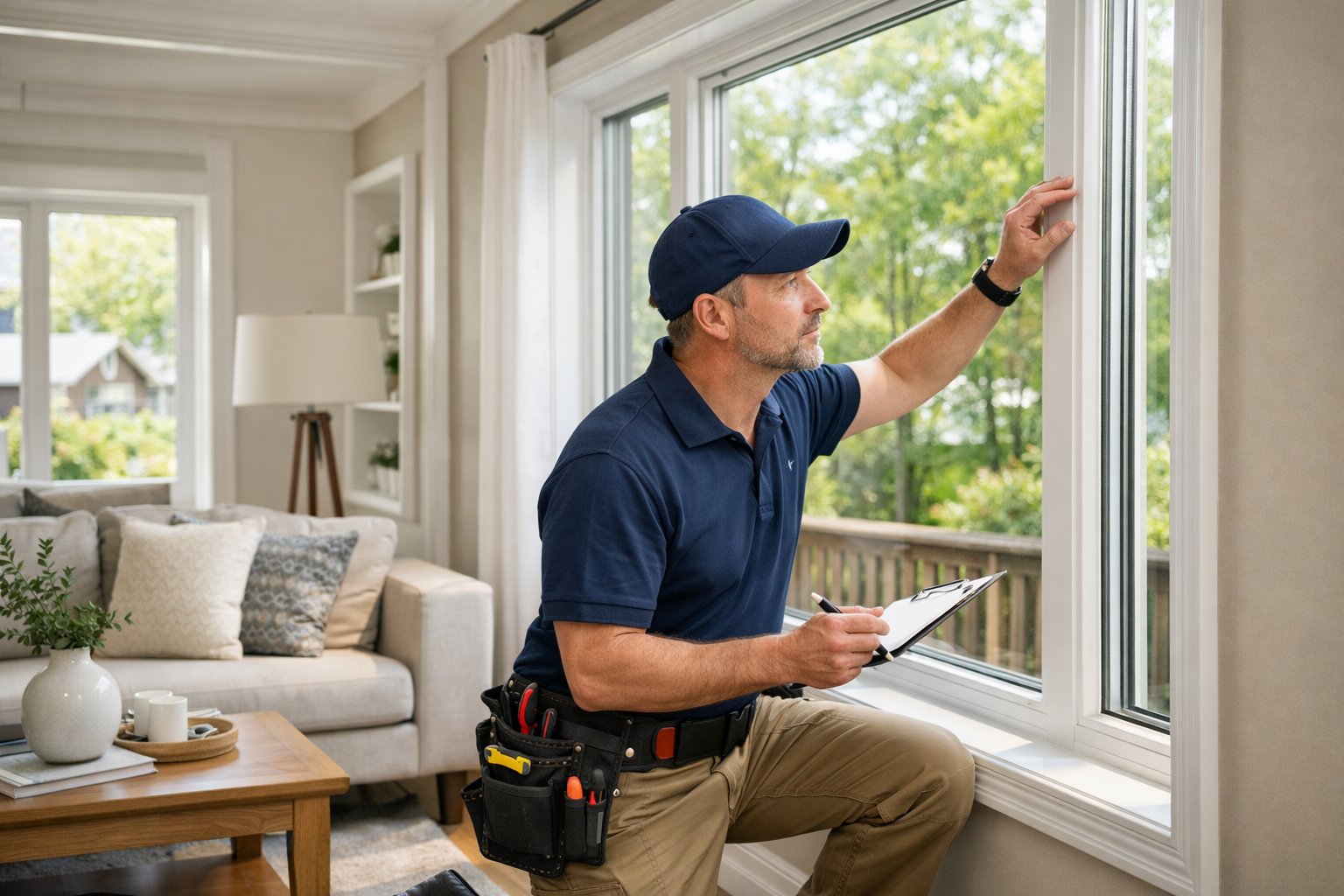
Even if you choose moderately priced windows, installation complexity can dramatically change the total cost of your project. Not all homes — or individual window openings — are created equal. Factors like accessibility, structural integrity, and architectural style can add hours of labor or require specialized tools.
- Windows installed on upper floors often cost more because they require additional equipment and safety precautions.
- Homes with structural damage or rotted frames need repair work before new windows can be installed, adding to labor costs.
- Tight spaces, unusual architecture, or older homes may require custom fitting, increasing installation time and price.
- Full-frame replacements are more expensive than insert installations because they involve removing the entire window down to the studs.
Custom Sizes, Shapes, and Designs
If your home features personality-filled architectural details or unique window openings, custom manufacturing may be required. Custom windows are beautiful and can dramatically enhance curb appeal — but they also increase production and installation costs.
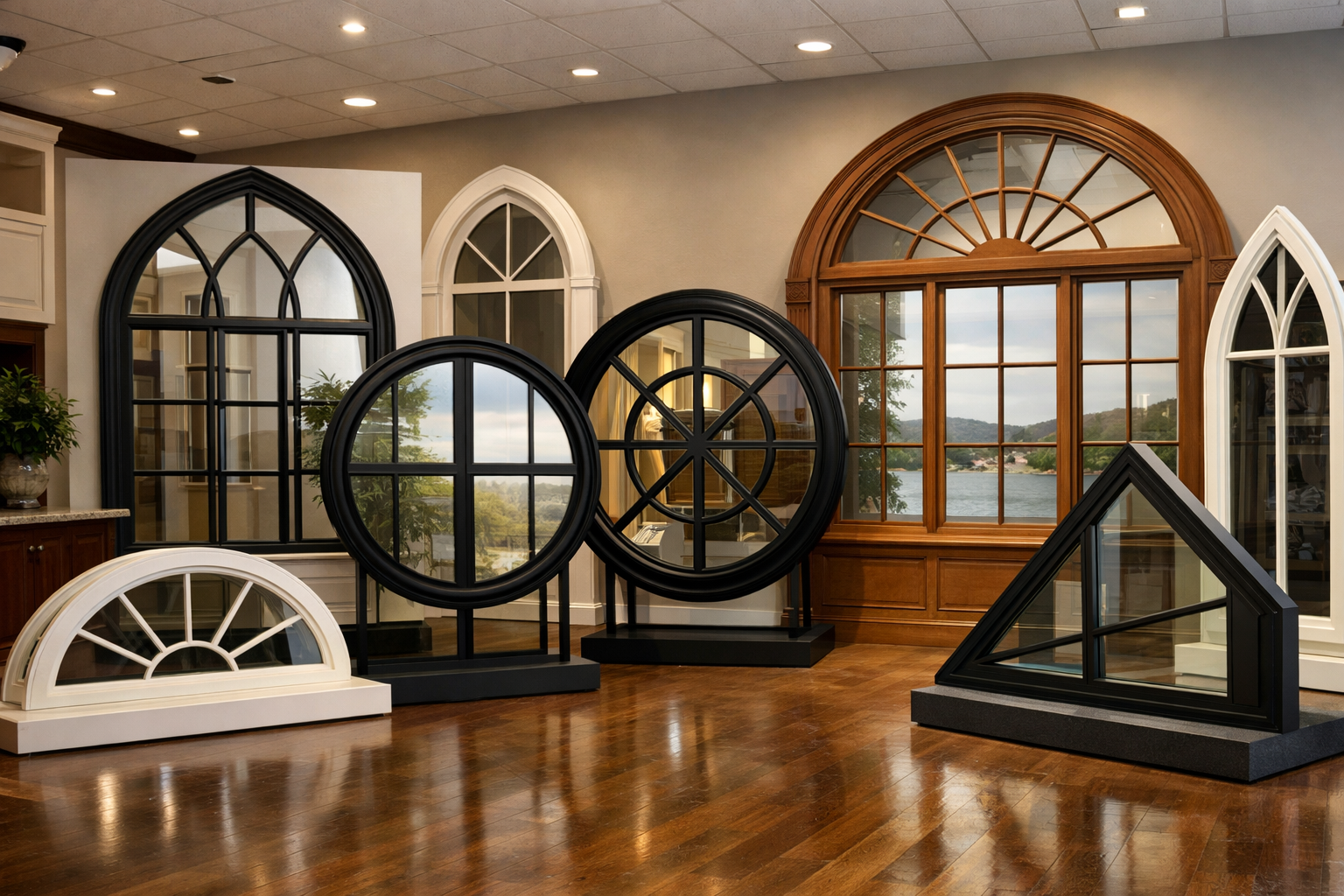
- Non-standard window sizes must be custom manufactured, which increases both production and installation costs.
- Arched, circular, or uniquely shaped windows require specialized craftsmanship and materials.
- Decorative glass, built-in blinds, or specialty coatings elevate cost due to added complexity.
- Large picture windows or multi-panel designs demand more labor and structural support, further raising the price.
When Customization Is Worth the Investment
Custom windows can dramatically improve a home’s architectural character, natural light, and overall appeal. For homeowners restoring historic properties or designing luxury spaces, the aesthetic payoff often outweighs the cost.
“Custom doesn’t just mean expensive — it means tailored to your home’s unique needs. In many cases, it’s the only way to preserve architectural integrity.”
Energy Efficiency and Performance Upgrades
Energy-efficient windows are increasingly popular because they reduce utility bills, improve indoor comfort, and support sustainable living. However, materials and technologies designed to boost performance naturally come with higher manufacturing costs.
- Triple-paned glass significantly improves insulation but costs more to produce and install.
- Low-E coatings and argon or krypton gas fills improve energy performance but add manufacturing expenses.
- Windows rated for extreme climates or high-impact weather protection require stronger materials and advanced engineering.
- High-efficiency upgrades can reduce energy bills long-term but increase upfront investment.
Brand, Warranty, and Installer Expertise
Just like appliances and automobiles, window brands vary widely in quality, craftsmanship, and warranty coverage. While it may be tempting to choose the lowest bidder, doing so can cost more in the long run due to poor installation or product failures.
- Premium brands often charge more due to better craftsmanship, reputation, and long-lasting materials.
- Extended warranties add value but may increase the initial purchase price.
- Experienced installers may charge more, but higher expertise ensures proper installation, which prevents future issues.
- Choosing a trusted provider can reduce long-term repair costs even if the upfront price is higher.
“The installer you choose can be just as important as the windows themselves. Even the highest-quality products fail prematurely when installed incorrectly.”
Conclusion: Understanding Window Replacement Costs Helps You Make the Best Decision
Window replacement is a valuable long-term investment, but costs can vary based on material choice, installation requirements, customization, energy efficiency features, and the brand or installer you select. By understanding these factors, you can confidently plan your budget and choose windows that enhance comfort, reduce energy costs, and add beauty to your home for years to come.
If you’re ready to explore options specific to your home, the next step is getting a personalized quote from trusted experts.