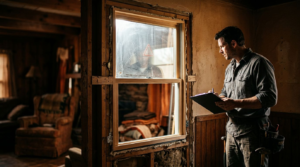
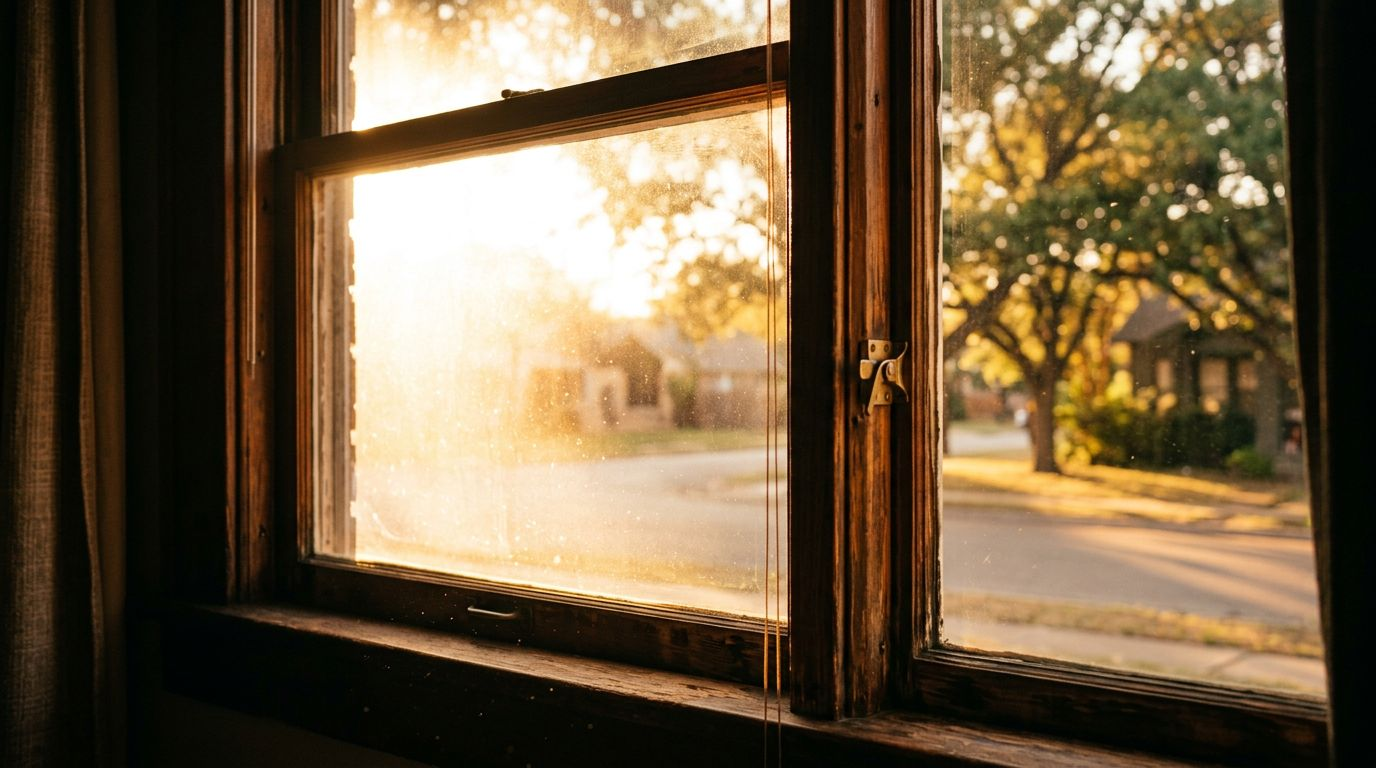
When windows let heat into a Denton home, the usual cause is weak glass, failed seals, air leaks, or an outdated frame. North Texas sun puts heavy stress on old units, so the glass absorbs solar heat and the frame passes it indoors. In many cases, hot rooms, rising summer bills, and warm-to-the-touch glass point to a window problem, not an air conditioner problem.
Homeowners who want a clear next step can start by choosing the best replacement windows in Denton. The cause usually becomes easier to spot once the window’s weak points are understood.
Why do windows feel hot inside a Denton home?
A window can look fine and still perform poorly. When the inside glass feels warm by late afternoon, heat has already crossed the unit. That happens through solar gain, air leakage, and plain old heat transfer through the frame and glass.
In homes with hot windows across Denton, TX, the pattern is often easy to spot. South-facing and west-facing rooms heat up first. Bedrooms on the sunny side stay warmer than the rest of the house. The AC runs longer, yet those rooms still feel stuffy.
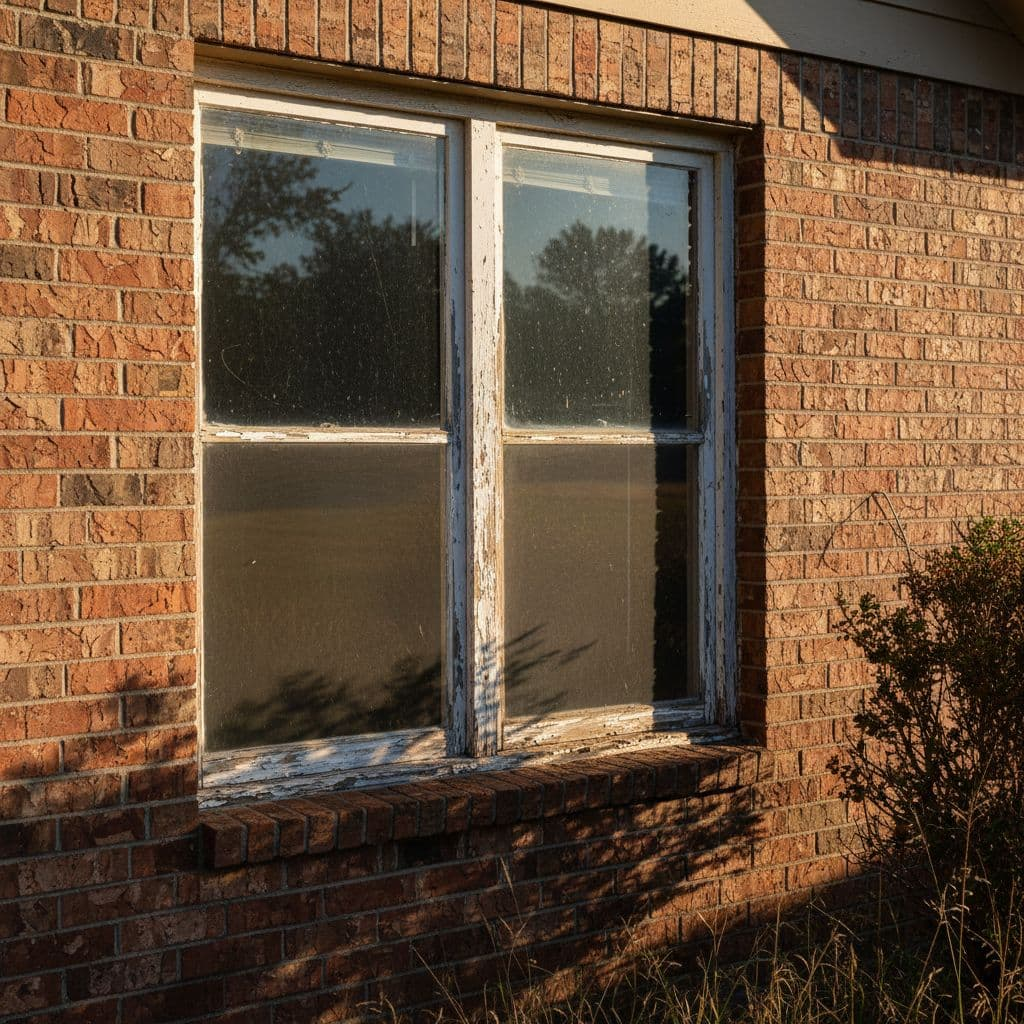
Air leaks make the problem worse. Even a small gap around the sash or frame lets hot outdoor air slip in. That moving air can feel like a draft, but in summer it acts more like a low-grade heater blowing from the wall.
Another clue is how the room feels near the window. If the air close to the glass is warmer than the rest of the room, the window is radiating heat inward. That is common with older single-pane units, aging double-pane glass with failed seals, and windows with no effective Low-E glass coating.
The key point is simple. Windows do not need to be cracked open to let heat in. They can do it while fully closed, especially during long North Texas sun exposure seasons.
Which window problems let the most heat in?
The glass is often the first weak point. Older windows may have clear glass with little protection from solar heat. That means sunlight passes through easily, warms floors and furniture, and raises the room temperature for hours.
Seal failure is another major issue. In a double-pane window, the sealed space between panes helps slow heat transfer. When that seal breaks, performance drops. Fogging between panes is a common warning sign, but some failed units lose efficiency before visible moisture shows up.
Frames matter too. Thin aluminum frames can transfer outdoor heat fast. Worn vinyl frames may warp or pull away from the wall. Wood can still perform well, but only if it stays in good shape and the unit is properly sealed.
This quick table shows what common symptoms often mean:
| What a homeowner notices | What it often points to |
|---|---|
| Glass feels hot in the afternoon | High solar heat gain, weak glass package |
| Fog between panes | Failed insulated glass seal |
| Hot air near the frame | Air leakage or poor installation |
| One side of the house stays warmer | Sun exposure plus low-performing windows |
Poor installation can undo a good product. Even newer windows can leak heat if the rough opening was not insulated well, the frame was not squared, or exterior sealing failed early. Caulk can hide a problem for a while, but it does not fix a bad fit.
That is why many heat complaints trace back to more than one issue. The glass may be weak, the weatherstripping may be worn, and the frame may have small gaps at the same time.
Why does North Texas sun make the problem worse?
Denton homes face a harder summer than homes in milder climates. Long stretches of intense sun, high outdoor temperatures, and heat stored in brick and roofing materials all push windows harder. A window that performs well in a cooler region may struggle here.
South-facing and west-facing glass takes the biggest hit. By late afternoon, those windows absorb hours of direct exposure. Then the indoor pane begins to warm the room from the inside. That is why many homeowners notice the worst heat gain between 2 p.m. and sunset.
This is where SHGC, or Solar Heat Gain Coefficient, matters. SHGC measures how much solar heat a window lets through. In a hot climate like Denton and the rest of North Texas, a lower SHGC often makes more sense because it blocks more of the sun’s heat. Low-E glass coatings help with that by reflecting a large share of radiant heat while still allowing useful daylight.
For homes that battle strong summer sun, local guidance on energy efficient windows Denton TX can help narrow the right glass package.
Without heat-focused glass, the AC has to fight a constant load. Cooling equipment can only do so much when windows keep feeding warm air and radiant heat into the home. That is why some houses never feel balanced in summer, even after an HVAC tune-up.
In Denton, the wrong glass can turn sunlight into a daily indoor heat source.
When is window replacement the smarter fix?
Repair still has a place. If the issue is limited to worn caulk, minor weatherstripping damage, or a small trim gap, a focused repair may help. It makes sense to fix simple leaks before assuming the whole unit needs to go.
Still, window replacement becomes the better answer when the problems stack up. A homeowner is usually past the repair stage when several of these signs show up at once:
- The glass gets hot every sunny afternoon.
- There is fogging between panes.
- Drafts show up around a locked, closed window.
- Frames are warped, loose, or hard to operate.
- Summer comfort drops room by room, even with the AC running.
At that point, spending more money on patchwork can become wasteful. The upfront window replacement cost may look higher, but repeated repairs rarely solve poor glass performance or a failed insulated unit. For local pricing context, homeowners often compare options through window replacement cost Denton TX.
Installation quality matters as much as the product. A well-made window still needs proper flashing, insulation at the opening, and tight air sealing. If those steps are skipped, heat gain and air leakage can return fast.
For many older homes in Denton, full window replacement makes the most sense when the existing windows are single-pane, seal-failed, or built for a cooler region. Replacing them once is often cheaper than fighting the same heat problem every summer.
What features keep heat out better in Texas homes?
The best heat-blocking setup usually starts with double-pane glass and a good Low-E coating. That combination slows heat transfer and reduces solar gain. Many North Texas homeowners also choose argon-filled panes because the gas layer adds insulation without changing how the window looks.
Frame choice matters too. Quality vinyl and fiberglass frames tend to perform well in Texas heat because they resist heat transfer better than bare aluminum. Stronger frames also help the seals last longer, which matters in a climate with long hot spells and big temperature swings.
Glass specs should match the house, not only the budget. A lower SHGC often helps sunny elevations in Denton, while the overall insulation rating still matters for year-round comfort. In other words, a good window should block summer heat without giving up winter efficiency.
The home layout also affects results. West-facing living rooms, upstairs bedrooms, and large picture windows usually need the highest-performing glass. Meanwhile, shaded sides of the house may not need the same package. That is why a one-size-fits-all approach often falls short.
For homeowners considering window replacement in Denton, TX, the best results come from matching the glass, frame, and installation method to the home’s exact exposure. Done right, energy efficient windows reduce heat gain, steady indoor temperatures, and take pressure off the AC during the hottest months.
Conclusion
If windows are warming rooms, driving up cooling bills, and making the glass hot to the touch, the problem is usually built into the unit itself. In Denton and across North Texas, long sun exposure can expose weak glass, failed seals, and sloppy installation fast.
The strongest fix is often a combination of the right glass package, a low-SHGC window, and proper installation. That is what turns a hot room back into a usable room.
Homeowners who are tired of fighting summer heat can contact JBN Windows at 469-340-0834 to schedule a no-pressure estimate and find out whether repair or window replacement makes more sense for their home.