Drafty Windows Texas
Your AC can run all afternoon, yet the space beside the window still feels hot. That isn’t normal. Drafty windows Texas homeowners notice in summer usually leak cooled air out while letting sun-heated air creep in around the sash, frame, or glass. It’s like trying to cool a room with the fridge door cracked open.
In summer, most window drafts come from failed weatherstripping, broken seals, warped frames, or poor installation. The permanent fix is to close the air path at its source. If the frame has shifted or the unit no longer seals, replacement usually lasts much longer than another surface patch.
What causes drafty windows Texas homeowners notice in summer
A summer draft rarely feels like a cold gust. More often, you notice hot spots, faint air movement, dust near the sill, or one room that never seems to cool down. You may also hear more outdoor noise, because the same gaps that leak air also leak sound.
Failed weatherstripping and seal breakdown
Weatherstripping is the soft barrier that helps the sash press tight when you lock the window. After years of sun, dust, and use, it can flatten, crack, or peel away. Once that happens, hot air slips through the edges and your AC has to make up the difference.
Locks matter too. If the sash doesn’t pull tight against the frame, the seal can’t do its job. That small gap might look harmless, but under Texas heat it behaves like an open seam.

If you also see fog between panes, the insulated glass seal may have failed. That problem doesn’t always create a frame draft, yet it does allow more heat transfer through the glass. In strong afternoon sun, that extra heat can make a room feel stubbornly warm.
Frame movement, sun exposure, and bad installation
Texas summers push window materials hard. Frames expand in the heat, then contract again as temperatures change. Over time, older units can move out of square, especially if the original install left perimeter gaps or weak insulation around the opening.
Sometimes the window itself isn’t the main issue. The leak sits between the frame and the wall, hidden behind trim. That’s why a fresh bead of caulk may help for a while, but it often misses the real path of the air leak.
Quick patches vs permanent fixes
Small repairs still have a role. If your window is fairly new and the frame is sound, replacing worn weatherstripping or sealing a narrow exterior joint can buy you time. Still, a patch only lasts if the surface under it is stable.
This quick chart shows the difference:
| Fix | Best use | Likely result |
|---|---|---|
| Exterior caulk | Minor surface gap | Short-term improvement |
| New weatherstripping | Sound sash and frame | Better seal if window is square |
| Hardware adjustment | Loose lock or poor sash compression | Tighter closure |
| Full replacement | Warped frame, failed seals, repeat leaks | Long-term comfort and efficiency |
Weatherstripping repairs make sense when the window is still square and the lock pulls the sash tight. They don’t help much when the frame has twisted or the glass seal has already failed.
Caulk is a little like paint over cracked drywall. It can hide the problem for a season, but it doesn’t rebuild what shifted underneath. If you have repeat leaks, sticking sashes, soft trim, or several failing windows, expert window replacement services usually beat repeating the same repair every summer.
Permanent fixes that actually stop heat and air leaks
A lasting solution depends on where the failure sits. When the sash still fits well, a technician can sometimes replace weatherstripping, adjust hardware, and improve compression at the lock points. That works best on newer windows with sound frames and no glass seal failure.

When the opening itself leaked from day one, the fix may require removing trim, insulating the perimeter correctly, and resealing the unit from the rough opening out. If the frame is warped, the window operates poorly, or the insulated glass has failed, full replacement is often the cleaner answer.
For many North Texas homes, the best upgrade is a custom-measured unit built for local heat. Useful options include:
- double hung windows for Texas energy savings, if you want better airflow control and easier cleaning
- energy-saving single hung replacements, if you want a simpler design with fewer moving parts
- Low-E glass, insulated frames, and tighter perimeter sealing, if your main goal is keeping solar heat outside
That’s the key difference between a patch and a fix. A patch covers a symptom. A permanent fix restores the window system so it seals, locks, and insulates the way it should.
When repair stops making sense
You should stop repairing and start planning replacement when the same windows keep showing the same symptoms. Repeated caulk failure, soft wood, fogged panes, hot trim, and hard operation usually point to a system problem, not a one-part problem.
A full replacement also makes sense when several windows fail at once. Then you aren’t just fixing comfort. You’re improving noise control, daily operation, and the seal around your home.
If your house has larger feature openings, support matters as much as glass. Poorly sealed picture units and custom bay and bow windows for energy-efficient upgrades need accurate sizing and solid structural support to avoid perimeter leaks and summer heat gain.
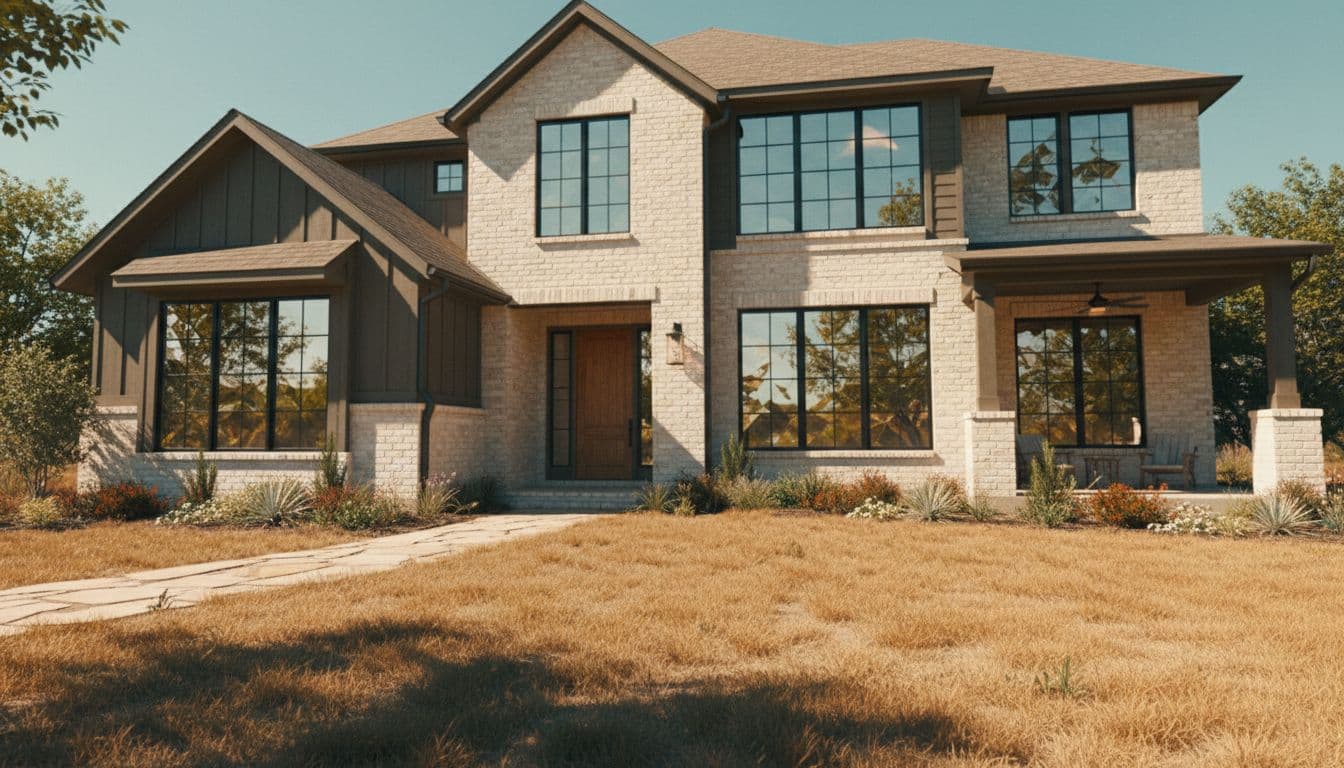
JBN Windows has served North Texas since 1996, and that local experience matters because Texas heat exposes weak seals fast. The company also builds many windows to fit the opening, which helps reduce small measurement errors that can turn into big comfort problems later.
Living with hot rooms in July shouldn’t be part of owning a Texas home. Once you find the leak path, you can stop cooling the outdoors and start getting consistent comfort again. If your windows keep leaking after small repairs, schedule an energy-efficient window consultation and get a lasting fix that fits your home.
Image Suggestions
- Failed seal close-up, alt text: “Drafty window seal leaking summer heat in a Texas home”
- Tight replacement unit, alt text: “Energy-efficient replacement window blocking Texas summer heat”
- Exterior upgrade view, alt text: “North Texas home with new replacement windows in summer”
Internal Linking Map
- Repair vs. replace section: expert window replacement services
- Ventilation and style comparison: double hung windows for Texas energy savings
- Simpler window style option: energy-saving single hung replacements
- Large opening discussion: custom bay and bow windows for energy-efficient upgrades
- Conclusion CTA: schedule an energy-efficient window consultation