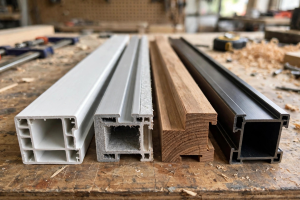
Vinyl vs Fiberglass Windows for North Texas Heat, Choosing between vinyl vs fiberglass windows for a North Texas home comes down to two things: your budget today and how much direct sun your glass gets. Vinyl windows cost less up front and keep your rooms cool with low upkeep. Fiberglass windows cost more, but they stay stiff in extreme heat, hold dark paint, and last longer on hot west-facing walls.
Both frame types block heat much better than old aluminum frames. Still, long Texas summers put unique stress on window parts. Summer sun beats down on brick and siding for months. That heat can soften weak plastics, dry out seals, and drive up power bills.
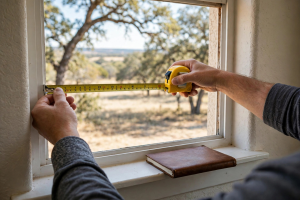
We see this stress up close in local homes every week. Show us the window that sticks, the glass that fogs between the panes, or the spot where you feel a draft. We help you look past sales pitches so you can pick the right frame for each room.
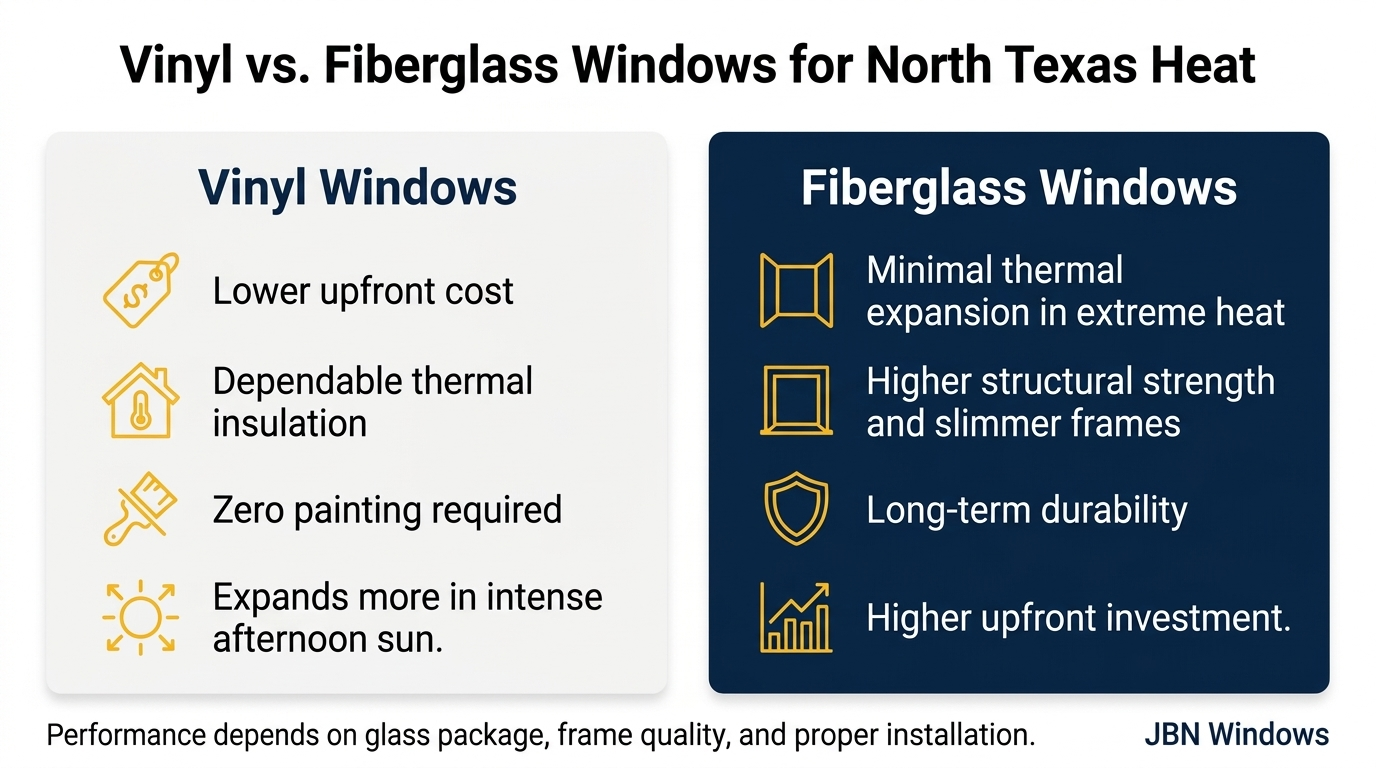
A side-by-side look at how vinyl and fiberglass frames handle heat, sun, and daily wear.
Key Takeaways
- Vinyl gives you strong energy savings at the lowest upfront cost.
- Fiberglass expands and contracts at almost the same rate as glass, which protects your seals.
- Dark vinyl can warp under direct Texas afternoon sun, while fiberglass handles dark colors with ease.
- Fiberglass frames are thinner and stronger, so they let in more natural light.
- Mixing materials across your home can save you money without giving up durability.
Quick Comparison: Vinyl vs Fiberglass Windows
Before we look at the fine details, use this table to compare both materials side by side.
| Feature | Vinyl Windows | Fiberglass Windows | Best For |
|---|---|---|---|
| Upfront Cost | Lowest cost; fits most budgets | 15% to 30% more than vinyl | Homeowners watching project costs |
| Heat Movement | Swells and shrinks with heat changes | Stays stable; matches glass movement | Hot, unshaded west exposures |
| Frame Lifespan | 20 to 30 years | 35 to 50 years | Long-term home ownership |
| Frame Profile | Thicker frame; slightly less glass | Slim frame; bigger glass area | Modern lines and maximum light |
| Color Choices | Mostly white, tan, or light clay | Any color, including factory dark bronze | Dark exterior trim and modern styles |
If you want to see how these compare with wood or aluminum, read our window frame materials guide for a wider view.
What Are Vinyl Windows?
A vinyl window is made from polyvinyl chloride, or PVC. Window makers blend this plastic polymer with impact modifiers and heat stabilizers. This specialized vinyl formula is pushed through a heated mold to form hollow frame pieces.
Inside each vinyl window, hollow air pockets trap heat and slow it down. This gives the vinyl window reliable insulation value without high cost. A modern vinyl window will not rot, peel, or rust. You never need to paint a vinyl window, and it cleans up with mild soap and water.
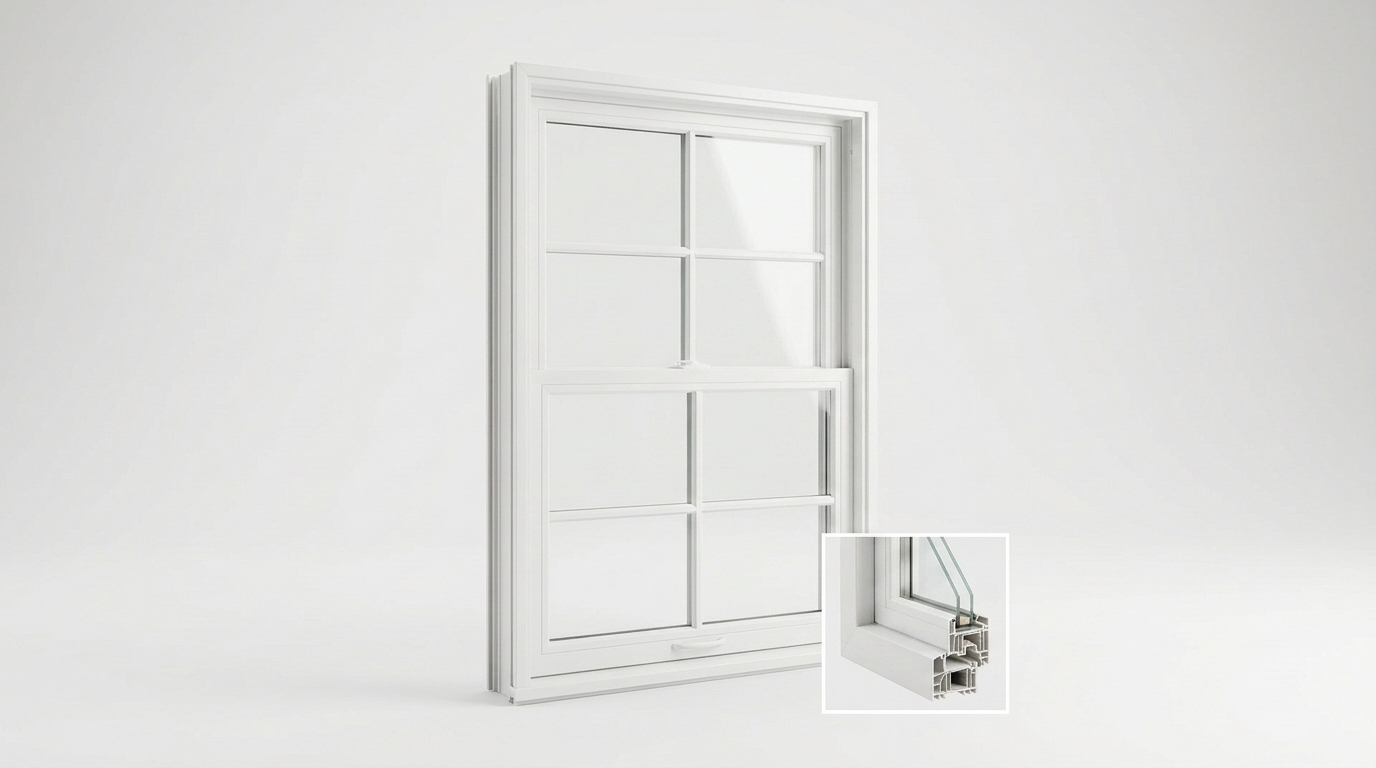
A vinyl frame uses hollow air pockets inside the profile to slow heat flow.
The vinyl window is now the most common choice for residential window replacement. A vinyl window costs less to produce than wood or fiberglass. It also gives families quick energy savings by replacing drafty metal units with dependable performance.
How Vinyl Frames Stop Heat
A vinyl window does not conduct heat like metal does. In an old aluminum frame, heat moves straight from the hot outer wall into your living room. A vinyl window stays close to room temperature on the inside.
Makers weld the corners of a vinyl window with heat. This creates a solid, leak-free joint that blocks drafts. High-grade units also place foam inserts inside the hollow chambers. That foam cuts heat transfer and improves energy efficiency even further.
Where Vinyl Shows Its Limits
Vinyl is flexible. Because it is softer than glass or metal, an individual vinyl window needs a thicker frame to hold heavy glass packages. That thicker frame slightly cuts down on the glass area you can see through.
A vinyl window also moves more as the weather changes. When the hot afternoon sun hits a vinyl window, the material expands. When night falls and the temperature drops, it shrinks back down. Over many years, this steady movement can test seal performance around the insulated glass.
What is Fiberglass?
A fiberglass window starts with thin strands of glass fiber. Workers pull these glass fibers through a bath of liquid resin. Then they pull the wet fibers through a heated steel die.
This process is called pultrusion. It packs dense glass fibers into a clean, hard profile. The resulting frame is stiff, strong, and thin. It has higher structural strength than a standard vinyl window and will not bend or twist under load.
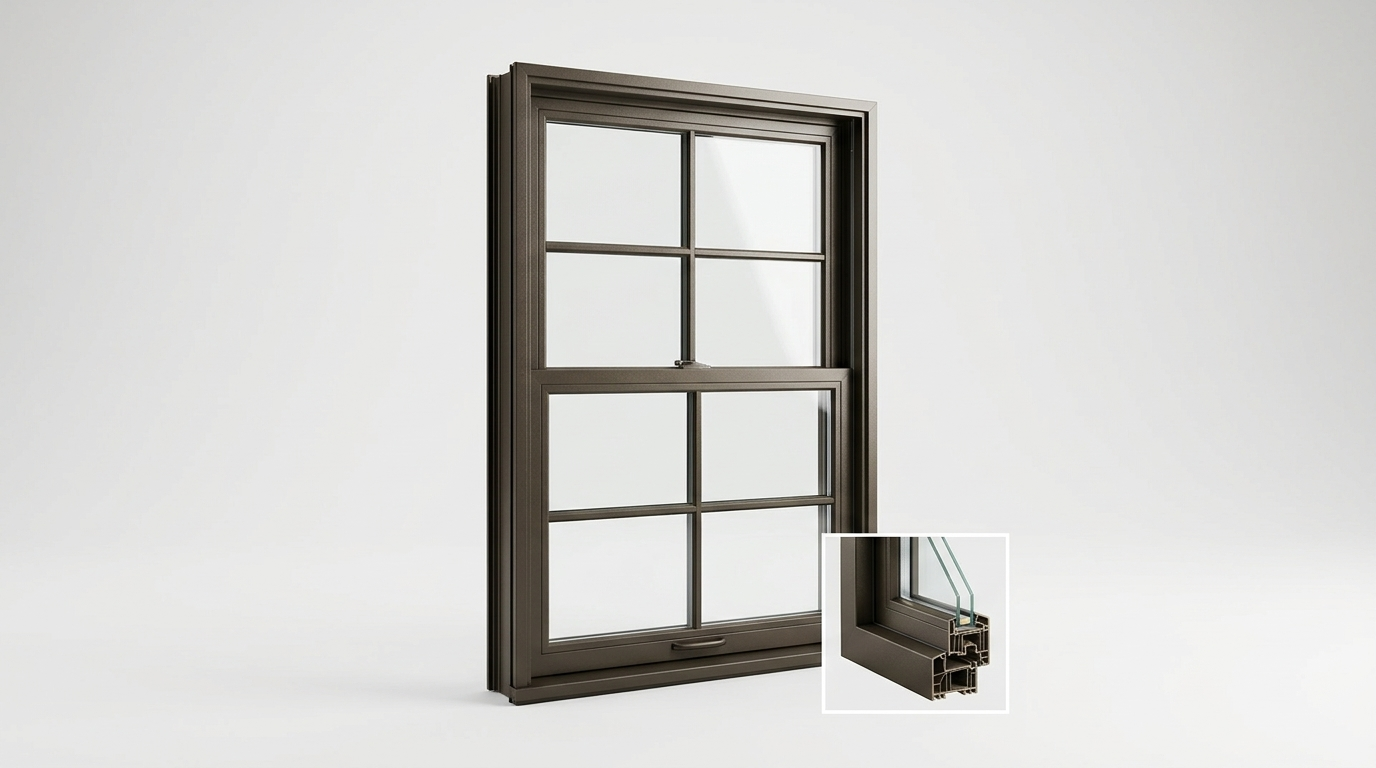
A pultruded fiberglass frame has thin, dense walls that stay rigid in direct sun.
Because the frame is mostly glass, it reacts to heat just like window glass. Both parts expand and contract at nearly the same rate. That simple match gives fiberglass a big edge in real-world performance during extreme temperature swings.
The Raw Strength of Fiberglass
A fiberglass frame offers exceptional strength compared to a standard vinyl window. Because it does not bend easily, it can hold large, heavy triple-pane glass with ease.
This strength allows for a very narrow frame profile. You get more daylight and wider views through the same rough wall opening. If your home has tall openings or picture windows, fiberglass keeps the lines sharp and steady.
Why Fiberglass Costs More
Building fiberglass windows takes special equipment. Pultrusion wears down steel cutting tools quickly because glass fibers are very hard. The corners cannot be heat-welded like a vinyl window; they must be mechanically joined with metal brackets and sealed by hand.
These extra steps drive up the cost to build each unit. As a result, fiberglass sells at a higher price point. For many homeowners, the added lifespan, durability, and clean look justify that cost.
How Heat and Sunlight Affect Window Frame Materials
Our local climate is hard on exterior building parts. Summer days bring long hours of blazing sun and temperatures above 100 degrees. Exterior window frames can heat up past 140 degrees on an unshaded afternoon.
This intense heat tests both materials in different ways.
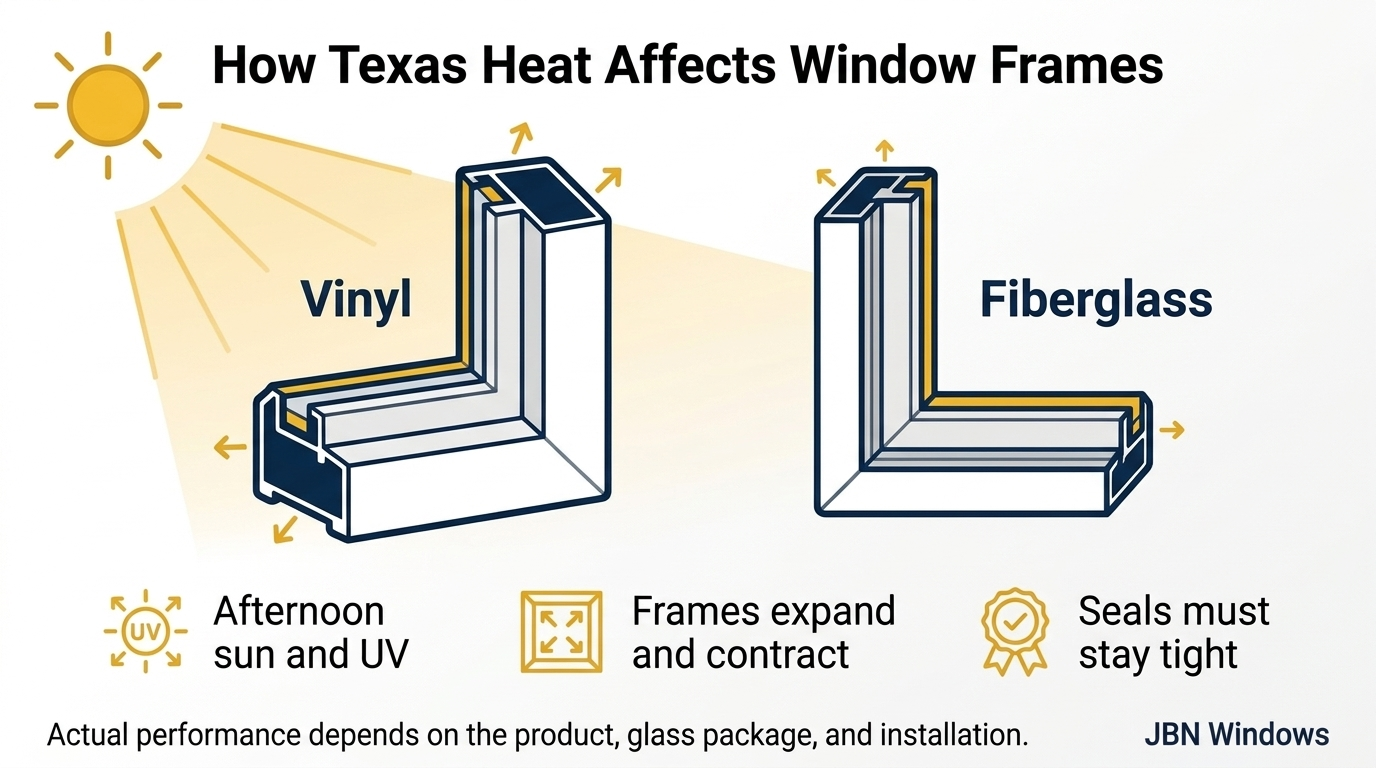
Direct sun and high temperatures test how frames move and hold their seals over time.
Expansion and Contraction Under the Texas Sun
Every material grows when it gets hot and shrinks when it gets cold. Builders call this dimensional stability.
A vinyl window swells and shrinks at a fairly high rate. Glass, on the other hand, moves very little when heated. When a vinyl window expands in the heat, it pushes against the glass and the edge seals. Over ten or fifteen hot summers, that daily push and pull can impact long-term seal performance. When a seal fails, moist air creeps between the panes, leaving fogged glass you cannot clean.
Fiberglass has great dimensional stability. It expands and contracts at almost the exact same rate as the glass unit inside it. The frame and glass move together as one piece. This shared movement takes stress off the seals, helping the window stay airtight year after year.
Key Rule of Thumb: When window frames and window glass expand at the same speed, the glass seal stays tight longer.
Why Dark Colors Need Careful Planning
Dark frames are popular on brick and stone homes across North Texas. Black and dark bronze lines add bold curb appeal. But dark colors absorb much more radiant heat than white or tan.
A dark vinyl window soaks up sunlight and gets hot fast. In extreme heat, poor vinyl can soften, warp, or bow along the sash. A warped sash will not close tightly, causing drafts and sticky hardware. Some vinyl makers void their warranty coverage if you paint a vinyl window a dark color.
Fiberglass does not care about dark paint. Its resin base stays rock-hard at high temperatures. You can choose dark bronze or matte black without fear of the frame warping or sagging out of square.
Our Take: Are Fiberglass or Vinyl Windows Better?
Neither material is better in every single case. The right pick depends on the room, its sun exposure, and your plans for the house.
Here is how we help homeowners break down the choice.
Is the window in deep shade or under a covered porch?
  ├── YES ──> Quality vinyl gives you top energy savings for less money.
  └── NO ───> Does the opening face south or west with zero shade?
                ├── YES ──> Fiberglass handles the heat and protects the seal.
                └── NO ───> Do you want dark bronze or black frames?
                              ├── YES ──> Choose fiberglass for lasting color and shape.
                              └── NO ───> Vinyl works well and keeps costs down.
If you plan to stay in your home for decades, fiberglass pays off. It holds its shape, extends your product lifespan, and keeps your view clear. It also adds value if you love modern, thin frames and rich exterior colors.
If you want to replace old windows without spending a fortune, a vinyl window is hard to beat. A well-built vinyl window blocks drafts, cuts outside noise, and lowers your monthly power bill right away.
What’s the Price Difference – and Why?
Cost is often the main factor in any home remodel. When comparing vinyl vs fiberglass windows, expect fiberglass to carry a price premium of 15% to 30% over vinyl for similar sizes.
For an average home needing ten to fifteen replacement units, that price gap adds up to thousands of dollars. You can read our detailed breakdown on window replacement cost in North Texas to see current local estimates.
What Drives the Upfront Cost?
Three main things make fiberglass more expensive:
- Raw material costs: Glass fiber and thermoset resins cost more to make than basic PVC plastic.
- Factory production: Pultrusion is a slower process than vinyl extrusion. It uses more power and wears down tools quickly.
- Corner assembly: Workers must fasten fiberglass corners with metal brackets and seal them with adhesive. A vinyl window has corners welded together by machine in seconds.
Looking at Long-Term Value
While a vinyl window costs less today, fiberglass can cost less per year of service. A fiberglass unit often lasts 35 to 50 years. A standard vinyl window averages 20 to 30 years before sun wear and seal stress take their toll.
Fiberglass also protects your home’s resale value if you own a custom property. Buyers of high-end homes often look for slim sightlines, dark trim colors, and durable materials that resist the Texas sun.
Do They Look Different?
Yes, vinyl and fiberglass windows look noticeably different once installed. Fiberglass features crisp, narrow frame profiles with square, furniture-style corner joints, giving your glass opening a clean, modern look. A vinyl window uses thicker sash borders to maintain stiffness, and the corners show diagonal heat-welded seams with visible grooves.
The visual differences come down to frame thickness, corner joints, and paint finishes.
Frame Thickness and Glass Area
Because vinyl is a softer plastic, the frame walls of a vinyl window must be thicker to carry the weight of insulated glass. The sash rails and jambs look chunky. In small openings, like a bathroom or laundry room, that thicker frame eats up noticeable glass area.
Fiberglass is eight times stronger than vinyl. That stiffness lets engineers design thin, crisp frame profiles. You get more glass and less frame, which brings more daylight into your living spaces.
Corner Seams
Take a close look at the corner of a vinyl window. You will see an angled weld line where the hot plastic melted together. Factory tools shave off the extra melted plastic, leaving a visible groove in the corner.
Fiberglass frames use tight mechanical joints that fit together cleanly. The corners look more like fine wood furniture. If you like clean, square lines, fiberglass looks far more upscale from up close.
Interior Style Options
Most vinyl frames have the same solid color inside and out. Your choices for a vinyl window are usually white, off-white, or almond.
Fiberglass gives you more style flexibility. You can buy units with durable factory powder coats, or paint them down the road if your tastes change. Some makers even offer real wood interior trim on a fiberglass frame. That gives you the warmth of real oak or pine inside, with the weather defense of fiberglass outside.
Which Performs Better in Real Life?
In laboratory tests, both vinyl and fiberglass score well for thermal performance. Both materials slow down heat flow and help your home earn an Energy Star rating. But daily weather brings extra factors that lab tests do not always capture.
Energy Performance and Heat Transfer
Heat moves through poorly built frames fast. Neither a vinyl window nor a fiberglass frame conducts heat like metal does. Both are natural insulators.
A vinyl window uses multiple air chambers inside the profile to trap heat. Fiberglass uses dense glass fibers, often paired with foam cores, to block heat transfer. In daily use, both frames keep hot summer air outside where it belongs.
Heat Transfer Speed by Material:
Aluminum:   [████████████████████] High heat leak
Vinyl:      [████                ] Low heat leak
Fiberglass: [███                 ] Very low heat leak
Wood:       [███                 ] Very low heat leak
What matters most for energy savings is not just the frame. It is the glass package inside it. Low-E coatings, argon gas fills, and warm-edge spacers do most of the work to ensure high performance and keep your home cool. A high-grade glass package in a vinyl window will beat cheap glass in a fiberglass frame every time.
Air Leakage Over Time
A window only saves energy if it keeps outdoor air from leaking around the sash. When units are brand new, both vinyl and fiberglass seal up tight.
The difference shows up after eight or ten hot summers. As vinyl sashes swell and shrink, the rubber weatherstripping gets squeezed and pulled. Over time, that wear can let tiny drafts blow through the edges and degrade air performance. Because fiberglass does not shift in the heat, its weatherstripping stays in place, keeping air leaks low for decades.
What Does Upkeep Actually Look Like?
Upkeep for both materials requires little more than occasional soap, water, and clearing debris from sill tracks. A vinyl window never needs paint or stain, though its surface cannot easily be refinished if scuffed. Fiberglass frames need the same simple wash, but they also give you the option to repaint the exterior coating later.
Both materials fall into the low maintenance category. Neither one requires the scraping, sanding, and staining that an old wood window demands.
Caring for Vinyl Frames
A vinyl window requires almost zero work:
- Wash the frames once or twice a year with warm water and mild dish soap.
- Clear dust and dirt out of the bottom sill tracks so rainwater drains freely.
- Check the weep holes along the bottom of the frame after spring storms.
- Never use rough scrub pads or harsh solvents, which can scratch the smooth skin of a vinyl window.
- Never paint a vinyl window unless the window maker explicitly approves the paint brand and color.
Caring for Fiberglass Frames
Fiberglass is just as easy to maintain:
- Clean the frames with a soft cloth and soapy water during regular window washing.
- Keep the tracks clean and spray the metal hinges or rollers with silicone spray once a year.
- If you ever tire of the color, you can lightly sand the factory coating and paint the frame with quality exterior acrylic paint.
Installation Considerations for Texas Homes
A great window will leak heat and water if the crew fits it poorly. In our area, most houses have brick veneer, stone, or stucco exteriors. Replacing windows in these walls requires care so you do not damage the building wrap or mortar.
Insert vs. Full-Frame Installation
There are two common ways our crews install new windows:
- Insert Installation: If your existing wood frame or older vinyl window opening is solid and free of rot, we can slide a new unit right into the old opening. This keeps your interior trim intact and saves labor costs.
- Full-Frame Installation: If the old frame is rotten, warped, or leaking water, we remove everything down to the rough wall studs. This lets us check for hidden water damage, install fresh flashing tape, and seal the opening right.
Because fiberglass frames are stiff, they need square, level openings. An experienced installer will shim the unit carefully so the sash does not bind. A vinyl window has a bit more give, but it still requires careful shimming so the jambs do not bow inward when secured.
Sealing Against Summer Storms
North Texas weather brings more than just dry heat. Spring brings sudden cold fronts, hail, and wind-driven rain.
The caulk joint between your window frame and the brick wall must move without cracking. Because a vinyl window expands a lot, it needs a high-grade polyurethane or silicone sealant that stays flexible in all seasons. Fiberglass moves less, putting far less strain on exterior caulk joints over time.
Room-by-Room Strategy: Mixing Materials
You do not have to pick one frame material for your entire house. In fact, many smart homeowners mix vinyl and fiberglass to balance performance and price.
Here is how you can plan your home by room:
West and South Walls
Rooms facing west get roasted by the afternoon sun. Rooms facing south get steady sun all day long.
- The Play: Put fiberglass windows on these hot walls. They will resist warping, protect your glass seals, and handle the high heat load without sticking.
North and Shaded Walls
North-facing windows get soft, indirect light. Windows under a wide back patio cover or shaded by mature oak trees never see direct summer heat.
- The Play: Choose a reliable vinyl window here. You get great thermal performance, easy cleaning, and significant cost savings.
Front Facade vs. Back of the House
If your HOA requires dark bronze frames to match the neighborhood, put dark fiberglass units across the front of your home for sharp curb appeal. If the back of your home is hidden by a fence, a white vinyl window can save you money without hurting your home’s look from the street.
Fiberglass vs. Vinyl Windows: Key Differences at a Glance
When you compare vinyl vs fiberglass windows, you are looking at two distinct ways to solve the same problem: blocking heat while holding heavy panes of glass. A vinyl window relies on hollow, multi-chamber PVC profiles that insulate by trapping dead air inside the frame. Fiberglass uses solid, pultruded glass fibers soaked in resin, creating a dense material that mimics the strength and expansion rate of the glass itself.
The practical impact of these design differences shows up in everyday use:
- Thermal Expansion: A vinyl window shifts significantly as temperatures climb from cool spring mornings to 105-degree summer afternoons. Fiberglass expands at roughly the same rate as float glass, which leaves edge seals undisturbed.
- Glass Sightlines: A vinyl window uses thicker sash walls and wider rails to maintain stiffness across wide openings. Fiberglass has high tensile strength, which permits narrower frames and gives you more glass area.
- Corner Construction: A vinyl window has corners welded under intense heat, leaving a rounded, visible factory seam. Fiberglass corners use internal metal brackets and structural sealants, which produce square, furniture-grade joints.
- Surface Coating: A vinyl window carries color through the full depth of the plastic, which hides surface scuffs but limits you to light shades. Fiberglass takes commercial powder coats and acrylic finishes, allowing deep bronze and dark black exteriors without softening in the sun.
Benefits of Vinyl vs. Fiberglass Windows
Each frame material carries distinct practical benefits depending on your home’s layout, orientation, and project scope.
Why Homeowners Choose Vinyl
The vinyl window remains the primary choice for residential window retrofits for several clear reasons:
- Project Affordability: Lower manufacturing and extrusion costs keep a vinyl window accessible for whole-house replacements on standard budgets.
- Zero Painting Required: The extruded color cannot chip, flake, or peel, meaning the vinyl window looks the same after years of rain and dust.
- Solid Thermal Resistance: Hollow internal chambers act as natural insulation barriers, easily meeting Energy Star requirements when paired with double-pane Low-E glass.
- Fast Production Cycles: Standard vinyl window sizes and styles move through factory lines quickly, keeping installation lead times predictable.
Why Homeowners Choose Fiberglass
Fiberglass appeals to homeowners solving specific structural and aesthetic challenges:
- Maximum Natural Light: High structural strength allows the frame to stay rigid with slim borders, maximizing the view on large picture and casement windows.
- Dark Exterior Tones: Deep charcoals, bronze tones, and black exteriors hold their shape under intense radiant heat without sagging.
- Long-Term Seal Protection: Because the frame does not push or pull against the insulated glass unit during temperature swings, dual-pane seals maintain steady performance.
- Repainting Flexibility: You can recoat the exterior surface years down the road if you remodel your siding, brick wash, or trim.
Fiberglass vs. Vinyl Windows and Doors
The differences between these materials multiply when you step up from standard bedroom windows to patio doors. A typical double-hung vinyl window holds a sash weighing twenty to thirty pounds. A sliding glass patio door or a set of hinged French doors carries heavy panels that weigh well over one hundred pounds each.
Large sliding door panels made of vinyl require thick internal steel or aluminum stiffeners to keep the frame from bowing under their own weight. In direct afternoon sun, tall vinyl door stiles can flex, causing the top rollers to drag or the latch mechanism to misalign.
Fiberglass patio doors handle large structural openings with ease. Because pultruded fiberglass does not deflect under heavy loads, door panels glide smoothly across their tracks year after year. The slim stiles also create a clean transition between your indoor living area and your patio, giving you uninterrupted views of your yard.
Resilient Design and Fire Resistance Impact and Storm Resistance
North Texas severe weather brings intense spring hail, high straight-line winds, and sudden grass fire risks alongside summer droughts. Your window frames play a quiet but critical role in protecting the structural envelope of your house during these events.
Impact and Hail Defense
Hail storms frequently batter west and north exposures across our region. A vinyl window absorbs lighter hail strikes well due to the natural flexibility of PVC. However, extreme cold-front storms that drop large hail on frozen vinyl can crack or chip older plastic that has turned brittle from years of ultraviolet exposure.
Fiberglass absorbs high-velocity impacts without shattering. The dense glass fiber matrix distributes the force of flying debris across the entire profile. If a heavy branch or large hailstone strikes a fiberglass frame, the surface resists denting, chipping, and cracking far better than plastic or thin-gauge metal.
Fire Resistance and Extreme Heat
During hot, dry seasons, exterior building materials must resist radiant heat exposure. Vinyl is a thermoplastic; when exposed to open flame or intense radiant heat from a neighboring house fire, a vinyl window softens, deforms, and eventually melts away from the wall opening.
Fiberglass is a thermoset material. Once the resin cures during the pultrusion process, it will not melt, liquefy, or drip under high heat. In a fire situation, fiberglass holds its structural shape much longer, helping keep the glass in place to block exterior oxygen from feeding interior flames.
Get the Latest
Window engineering changes as manufacturing methods improve, and current product lines offer better overall performance than units built a decade ago.
Modern vinyl extrusions now blend specialized acrylic impact modifiers and titanium dioxide to slow down sun fade and surface chalking. Top vinyl window manufacturers also use multi-chamber designs packed with contoured foam inserts to drive down U-factors.
Fiberglass has expanded beyond basic commercial jobs into mainstream residential designs. Major manufacturers like Pella and Andersen now build sleek fiberglass replacement options with wood interior veneers, slim sightlines, and factory-matched hardware.
To see how these updated materials fit your specific floor plan, compare ratings directly on manufacturer spec sheets or review our energy-efficient windows guide to check local solar heat gain and U-factor targets.
Frequently Asked Questions
Which lasts longer, vinyl or fiberglass windows?
Fiberglass windows last longer than vinyl windows. A quality fiberglass frame can last 35 to 50 years because it resists sun wear, bending, and seal failure. Vinyl frames generally last 20 to 30 years before heat and UV rays start to weaken the plastic.
Do vinyl windows warp in Texas heat?
Yes, low-quality vinyl windows can warp or bow under direct Texas afternoon heat, especially if they have dark paint. High-grade vinyl with heat stabilizers handles the sun better, but fiberglass remains the safer pick for unshaded west-facing walls.
Can you paint vinyl windows if you want a new color?
You should avoid painting vinyl windows. Dark paint absorbs excess heat and can warp the vinyl, and painting usually voids the maker’s warranty. Fiberglass windows, by contrast, take paint well if you ever want to change your home’s trim color.
Are fiberglass windows worth the extra cost over vinyl?
Fiberglass is worth the extra cost if you have unshaded rooms, want dark frames, or plan to stay in your home for decades. If you are watching upfront costs or have shaded openings, a modern vinyl window delivers nearly the same energy savings for much less money.
How much glass area do you lose with vinyl vs fiberglass?
You lose about 10% to 15% of your visible glass area with vinyl compared to fiberglass. Because fiberglass is much stronger than vinyl, its frames are slimmer, giving you larger panes of glass and more daylight in the same wall opening.
Planning Your Window Project
Upgrading your home’s windows should make your rooms quieter, cooler, and more comfortable. Start with the windows that give you trouble. Show us the window that sticks, the glass that fogs between the panes, or the spot where you feel a draft.
Evaluating room exposure is the logical next step. Rooms facing harsh afternoon sun benefit from the stability of fiberglass, while sheltered openings perform reliably with vinyl. Matching the frame to the specific sun load of each wall gives you maximum comfort without overspending.
Leaving damaged, leaky windows in place allows high summer heat to soak into living spaces continuously. Over time, drafty perimeter seals allow conditioned air to escape, while neglected leaks invite moisture into the surrounding wall framing. Addressing failing units early protects your home’s structure and locks in steady indoor comfort.