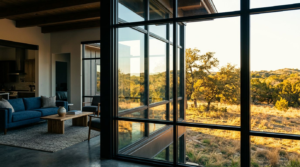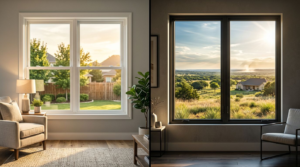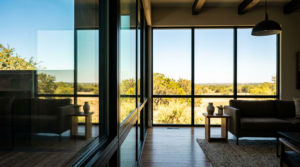
New windows can help, but they do not fix every source of energy loss. Bills often stay high because the installation leaks, the glass package is wrong for Texas sun, attic or duct losses remain, or utility rates have climbed. In Denton and North Texas, low solar heat gain, tight seals, and whole-house air control matter as much as the fact that the windows are new.
Homeowners who want to compare what proper installation should include can start with JBN’s window replacement Denton TX page.
Can new windows still leak energy?
Yes, they can. A window only performs as well as the space between the frame and the wall. If that gap is not sealed well, cooled air escapes and hot outdoor air slips in. The window may be brand new, but the house still acts like it has a hole in the envelope.
That problem shows up more often than many homeowners expect. Some jobs use insert replacements instead of a full-frame approach. In the right situation, insert windows work well. But if the old frame is warped, poorly insulated, or already leaking, the new unit may inherit those problems.
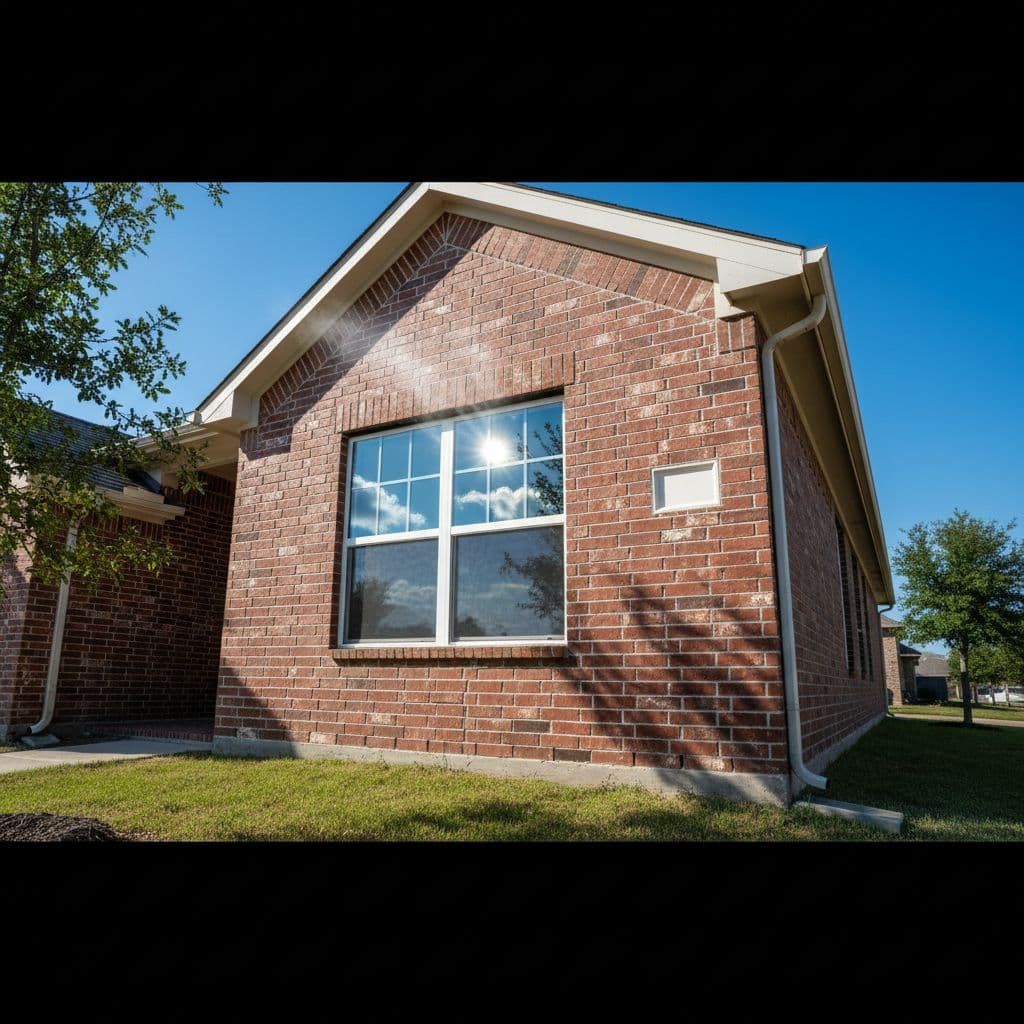
Small installation details also matter. Missed caulk lines, weak corner seals, poor flashing, and gaps around trim can all raise cooling loads. In North Texas, where long summer afternoons hammer south and west walls, even a modest leak can make an HVAC system run longer than expected.
A homeowner may notice the clues indoors. One room stays hotter than the rest. A draft appears near the stool or casing. Dust collects along the sill because air is moving through tiny openings. In some cases, the sash closes, but it does not compress the weatherstripping enough to stop air movement.
A low price and a new frame do not always lead to lower bills. The glass package and the install quality carry just as much weight.
Good window replacement should address more than the visible unit. It should also deal with fit, insulation around the frame, and exterior water management. If the crew does not square the unit, insulate the rough opening, and seal the perimeter correctly, the new window can underperform from day one.
Are the new windows built for North Texas heat?
This is where many projects miss the mark. Not all new windows are energy efficient windows, and not all energy packages fit Texas weather. Denton homes need windows that control solar heat, not only winter heat loss.
Two terms matter most here: Low-E glass and SHGC, or Solar Heat Gain Coefficient. Low-E coatings help reflect infrared heat while still letting in visible light. SHGC measures how much solar heat passes through the glass. In a hot, sunny climate, a lower SHGC often helps reduce indoor heat gain, especially on west-facing walls.
If a homeowner bought clear glass with a higher SHGC, the window may still look great and feel solid, but the sun can keep pouring heat into the room. That leaves the AC carrying more of the load. Meanwhile, the owner wonders why the monthly bill barely changed.
Frame material matters too. Vinyl, fiberglass, and wood all perform differently, and the best choice depends on the opening, exposure, and budget. Air leakage ratings matter as much as appearance. A stylish unit that allows more infiltration can cancel out part of the expected savings.
In Denton and across North Texas, the most useful upgrade is often a balanced one. The window needs good insulation, but it also needs to reduce solar heat gain during long cooling seasons. Triple-pane glass is not always the answer. In many homes, a well-installed double-pane unit with the right Low-E coating and SHGC performs better for the local climate than a heavier package chosen for colder regions.
Homeowners comparing glass options can review JBN’s guidance on energy efficient windows Denton TX. That is often the fastest way to spot whether the issue is the product itself or the way it was specified.
What other issues make new windows look ineffective?
Sometimes the windows are fine, but the rest of the house is not. That happens often in older North Texas homes. A homeowner replaces the glass, expects a sharp drop in bills, then finds out the real waste is coming from the attic, ductwork, doors, or HVAC system.
Attic heat is a major factor in this region. If insulation is thin or uneven, the ceiling absorbs heat for hours. Leaky ducts make the problem worse, especially when they run through a superheated attic. The AC may produce cool air, but part of it never reaches the rooms.
Air leakage also hides in plain sight. Recessed lights, attic hatches, old back doors, and plumbing penetrations all let conditioned air escape. If those gaps remain open, the effect of window replacement can be smaller than expected.
This quick comparison helps narrow the search:
| Common source of waste | Typical clue | What to check |
|---|---|---|
| Poor window installation | Drafts near trim or sill | Perimeter seal, sash fit, frame insulation |
| Wrong glass package | Rooms overheat in afternoon sun | Low-E coating, SHGC, room orientation |
| Attic insulation gaps | Ceiling feels warm, AC runs late | Insulation depth and coverage |
| Duct leakage | Some rooms stay warmer | Duct joints, supply balance, attic ducts |
| Aging HVAC system | Long runtimes, weak airflow | Filter, refrigerant, blower, system age |
| Higher utility rates | Usage is similar, bill is higher | Rate plan and seasonal pricing |
The takeaway is simple. High energy bills do not always mean the windows failed. They often mean the windows were only one part of a larger efficiency problem.
That is also why window replacement cost should be judged carefully. A homeowner may spend more for better glass and still see muted savings if the attic and HVAC remain weak links. The product can be good, but the house still wastes energy elsewhere.
How should a Denton homeowner troubleshoot before spending more?
The first step is to separate window performance from whole-house performance. That does not require guesswork. It starts with a room-by-room check.
A homeowner can look for patterns. Are west-facing rooms much hotter than shaded rooms? Does the glass feel hot in late afternoon? Is there noticeable air movement around the frame? If only one side of the house feels uncomfortable, solar heat gain or installation quality may be the issue.
Next, it helps to compare usage, not only the bill total. Electric rates change. So do summer temperatures. If kilowatt-hour use stayed flat but the bill rose, the utility price may be part of the story. If usage climbed sharply after the installation, something in the home is working harder than before.
Then it makes sense to inspect the basics. Filters, thermostat schedules, attic insulation depth, and visible duct leaks all deserve a look. A good contractor can also check whether the windows were ordered with the right glass package for North Texas exposure.
If replacement is still on the table, a homeowner should not guess at the budget. JBN’s guide to window replacement cost Denton TX explains how frame type, glass upgrades, and labor affect the real number. For homes with only a few problem openings, per-unit pricing may help as well, especially when comparing repair against selective replacement.
Most importantly, a homeowner should avoid chasing one fix after another. If the windows are sound, more spending on glass may not solve the bill. A targeted inspection usually reveals whether the problem is solar heat, air leakage, duct loss, or equipment strain.
Conclusion
New windows should help, but they cannot overcome a weak install, the wrong glass package, attic heat, duct leakage, or an aging HVAC system. In Denton and North Texas, the biggest clue is often not the window’s age, but how the whole house handles long sun exposure and cooled air.
A homeowner who still sees high energy bills after a window upgrade should look at Low-E coatings, SHGC, perimeter sealing, and the rest of the home’s envelope before spending again.
For a clear next step, JBN Windows offers a no-pressure review of the problem. Homeowners can get a free window replacement estimate or call 469-340-0834 to find out whether the issue is the windows, the installation, or something else in the house.