If your west-facing rooms feel like a toaster by 4 p.m., your windows are doing a hard job. In North Texas, a window frame isn’t just “trim around glass.” It expands, contracts, bakes in UV, and gets yanked open every day.
This is why vinyl vs fiberglass windows is more than a style debate. You’re really asking which frame stays straight, keeps seals tight, and keeps operating smoothly after years of Texas summers and daily use.
Below, you’ll get a practical comparison of vinyl, fiberglass, and aluminum-clad frames, plus what matters just as much as the frame: the measurement, install, glass package, and warranty.
What North Texas heat does to window frames (and why it matters)
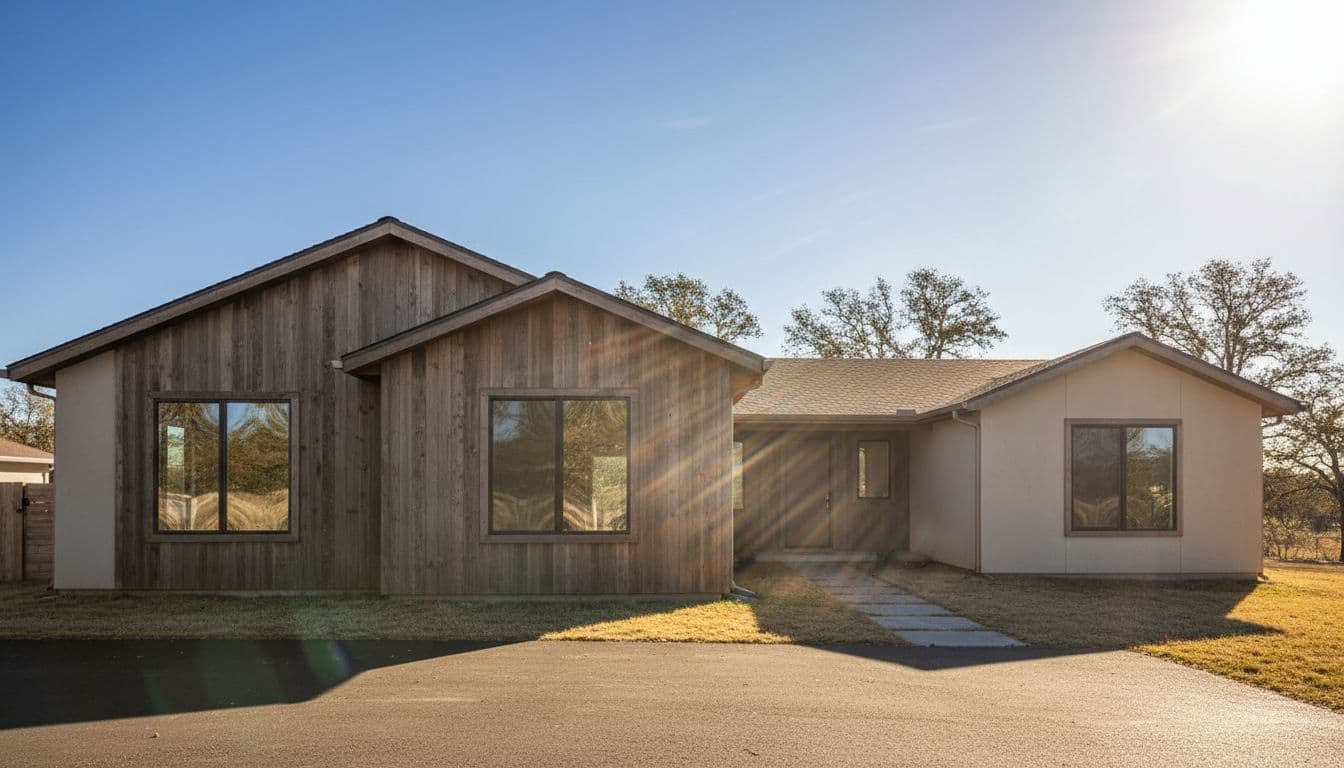
In North Texas, heat doesn’t just make your AC run longer. It puts your window system through constant movement. Frames expand when the sun hits them, then cool down fast when clouds roll in or after sunset. Over time, that movement can stress corner joints, loosen weatherstripping, and contribute to seal failure in the insulated glass unit.
Daily use adds another kind of wear. A window that sticks gets forced open. Locks get slammed. Tracks collect grit. If the frame flexes, the sash may not line up the same way every time, and that’s when you notice drafts, rattles, or latches that feel “off.”
If you’re trying to land on the best windows for Texas heat, you’re really looking for three things:
- Low expansion and strong corners, so the frame stays square
- Stable seals, so you don’t fight air leaks when the heat index climbs
- Good glass and spacers, because the glass package does most of the insulation work
For a Texas-specific overview of how heat and sun exposure affect window choices, see this guide to best windows for hot climates in Texas.
Vinyl vs fiberglass vs aluminum-clad: which frame holds up best?
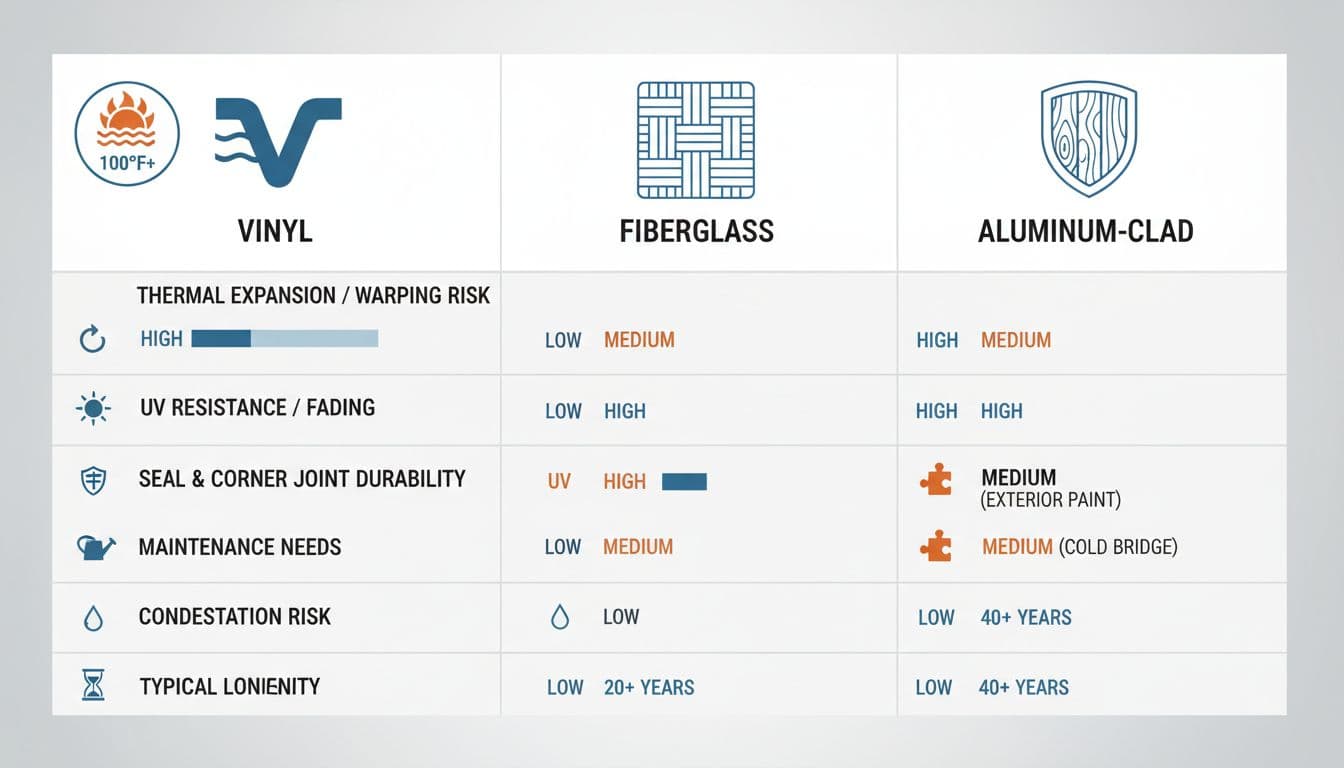
When you compare vinyl vs fiberglass windows North Texas homeowners actually live with, the biggest differences show up in rigidity, heat movement, and long-term “feel” (how well the window keeps operating like new).
Vinyl frames in Texas heat
Vinyl is popular because it’s low maintenance and often budget-friendly. Good vinyl systems can perform well, especially when paired with Double-pane windows for energy efficiency and strong reinforcement in larger openings.
The tradeoff is that vinyl generally expands more with heat than fiberglass. That doesn’t mean it will fail, but it does mean quality matters. In full sun, a lower-grade vinyl frame can be more prone to slight movement that affects smooth operation over time.
Fiberglass frames in Texas heat
Fiberglass is known for stiffness and stability. In plain terms, it tends to stay straighter through heat swings, which supports long-term seal performance and smoother opening and closing.
If you’re hard on windows (kids, pets, frequent ventilation), fiberglass often “feels” solid year after year. That’s why many homeowners put fiberglass at the top of the list for Durable windows for Texas storms, especially when paired with impact-conscious glass options.
Aluminum-clad (wood core) frames in Texas heat
Aluminum-clad windows usually mean a wood interior protected by an aluminum exterior. You get the look of wood inside with a weather-resistant shell outside. These can be excellent, but they’re also the most dependent on product quality and installation details.
Because aluminum conducts heat well, thermal design matters a lot (thermal breaks, glass package, and perimeter seals). For a deeper material comparison, this breakdown of aluminum clad vs fiberglass windows is a helpful reference.
Quick comparison for real-life durability
| Frame type | Heat stability | Maintenance | Best fit for |
|---|---|---|---|
| Vinyl | Moderate (varies by grade) | Low | Value-focused upgrades and rentals |
| Fiberglass | High | Low | Long-term performance and frequent daily use |
| Aluminum-clad | Moderate to high (product-dependent) | Low to moderate | Premium interiors and design-driven projects |
If you’re also comparing operating styles while you choose a frame, it helps to read about double hung windows for North Texas homes and single hung windows for Denton TX, because hardware and sash design affect day-to-day durability.
The frame is only half the story: installation, timeline, and cost in Denton County
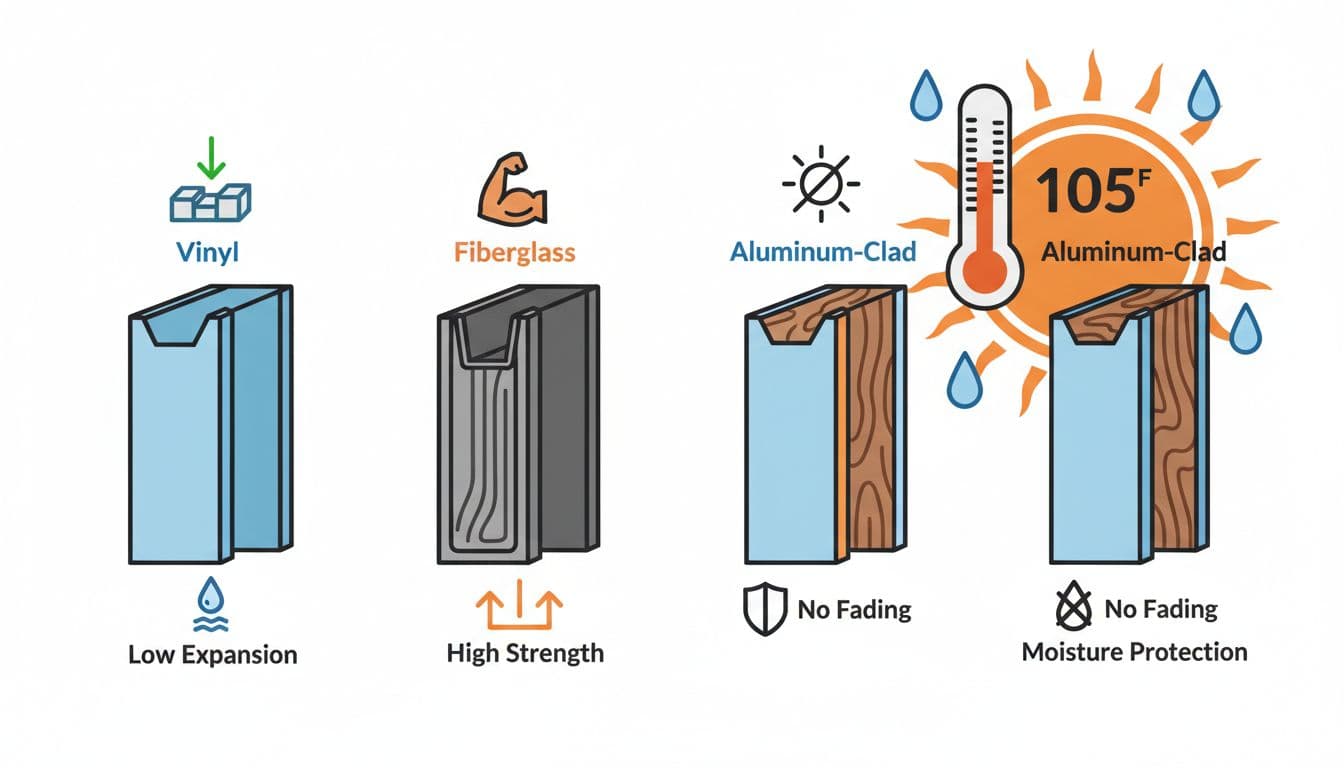
Even the best frame can underperform if the opening is measured wrong or sealed poorly. Your comfort depends on Window installer measurements accuracy and clean install details more than most people expect.
What the Window replacement installation process Texas homeowners should expect
A solid Window replacement installation process Texas crews follow usually looks like this: confirm opening size, remove the old unit, prep and inspect the framing, set the new window square and level, then insulate and seal it so water sheds outward. The goal is Replacing windows without damaging framing, especially in older brick homes where you want the opening to stay true.
If your home has character windows, big openings, or settling, you may also need Custom windows for older homes Denton County so the new unit fits the real opening, not the “should be” size.
How long does window installation take in Denton County?
How long does window installation take depends on access, the number of windows, and whether any openings need repair. Many homes can be completed in days, not weeks, but the full Timeline for home window replacement Denton County includes ordering time for the exact size, glass, and color you choose.
If you’re selecting safety upgrades, ask about Tempered glass windows Denton County homeowners often use in doors, larger panes, and locations where building codes require it.
Cost planning without guessing
You’ll see wide ranges when searching Window replacement cost in North Texas or the Average price for new windows in Texas, because every home is a different mix of sizes, glass packages, and installation needs. The most reliable next step is getting Window installation quotes Denton County that spell out frame material, glass type, and labor scope.
Your Budget for energy-efficient window replacement should account for the glass package (Low-E, gas fill, spacer type) and air sealing. Those choices are what deliver Energy-efficient windows for lower utility bills.
When people ask about Factors affecting window replacement pricing, the honest list is short: window size and style, frame material, glass options, structural repairs, and installation complexity. A design choice like a bay can also change the scope, which is why Choosing replacement windows style matters (if you’re considering one, see custom bay and bow windows North Texas).
You’ll also want to compare Window contractor warranties Denton County offers. Ask what’s covered on labor versus product, and whether you’re working with Certified window installers Texas homeowners can verify. That’s a big separator when you’re screening the Best window replacement companies North Texas shoppers tend to shortlist.
For a service-level view of what a full project includes, review these window replacement services in North Texas.
Conclusion: the “best” frame is the one that stays tight for your home
If you want the simplest answer, fiberglass often wins for long-term stability in heat and heavy daily use, while vinyl can be a strong value when you choose a quality product and a careful installer. Aluminum-clad can be excellent for the right home, but it’s less forgiving of weak thermal design or sloppy install work.
If you’re ready to compare options for your house, start with your goals (comfort, looks, storm durability, budget), then match the frame and glass package to those needs. Check Reviews for JBN Windows replacement services, ask about warranties in writing, and get a quote that explains the full scope. Call us today at 469-340-0834 for a free quote.
FAQ: common questions North Texas homeowners ask
Do I need to replace all windows at once?
No. Do I need to replace all windows at once depends on your budget and which rooms suffer most. Many homeowners phase the work, starting with sunny exposures or the most drafty windows.
Single-hung vs double-hung windows replacement, what’s better for daily use?
For Single-hung vs double-hung windows replacement, double-hung gives you more ventilation control and easier cleaning (tilt-in on many models). Single-hung has fewer moving parts and can be a good value if you don’t need top-sash operation.
How long does window installation take?
For How long does window installation take, the on-site install is often measured in days for a typical home, but ordering and scheduling add time. Your installer should give you a clear start date and expected finish window.
Are double-pane windows enough for energy efficiency in Texas?
In most cases, yes. Double-pane windows for energy efficiency with the right Low-E coating and tight installation are a strong fit for North Texas. Triple-pane can help in specific situations (noise, extreme exposures), but it’s not required for every home.
Should you choose tempered glass in Denton County?
Tempered glass windows Denton County are commonly used where safety codes apply (doors, certain low windows, larger panes). If you’re concerned about hail or impacts, ask about tempered or laminated options for those openings.
What materials do window companies use?
What materials do window companies use usually comes down to vinyl, fiberglass, wood, aluminum, and aluminum-clad systems. The right choice depends on sun exposure, maintenance preferences, and how long you plan to stay in the home.